Job matrix guidance
How the work is usually checked before opening walls, floors or paving
Common plumbing jobs in the job matrix include leak detection, underground water leak repair, wall leak repair, ceiling leak repair, burst pipe repair, pipe replacement, water main repair, blocked toilet clearing, drain repair, geyser repairs, pressure valve replacement, cistern repair, tap repair, basin waste repair, kitchen sink repair and bathroom plumbing upgrades. Those jobs do not all need the same tools or the same first step.
For water leaks and burst pipes, the team may need adjustable spanners, pipe wrenches, pliers, channel locks, screwdrivers, tube cutters, deburring tools, tape measure, moisture meter, diagnostic camera, acoustic leak detector, inspection mirror, borescope camera, gloves, goggles, safety boots and pipe wrap. For drains and blocked toilets, the route may involve drain rods, toilet auger, power snake, root cutter, hydro jetter, wet vacuum or CCTV drain camera. For geyser and electrical-adjacent symptoms, safe checks can include pressure gauges, multimeters and valve assessment, with electrical safety kept separate from customer DIY.
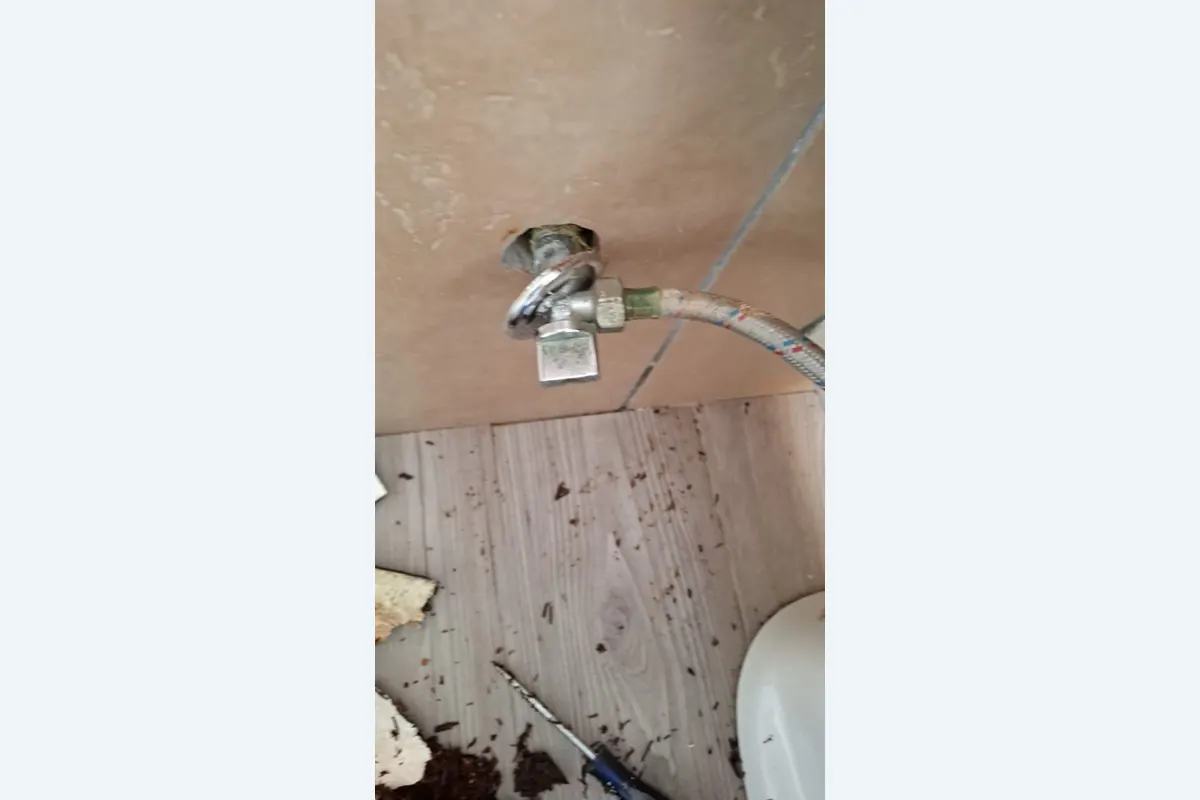
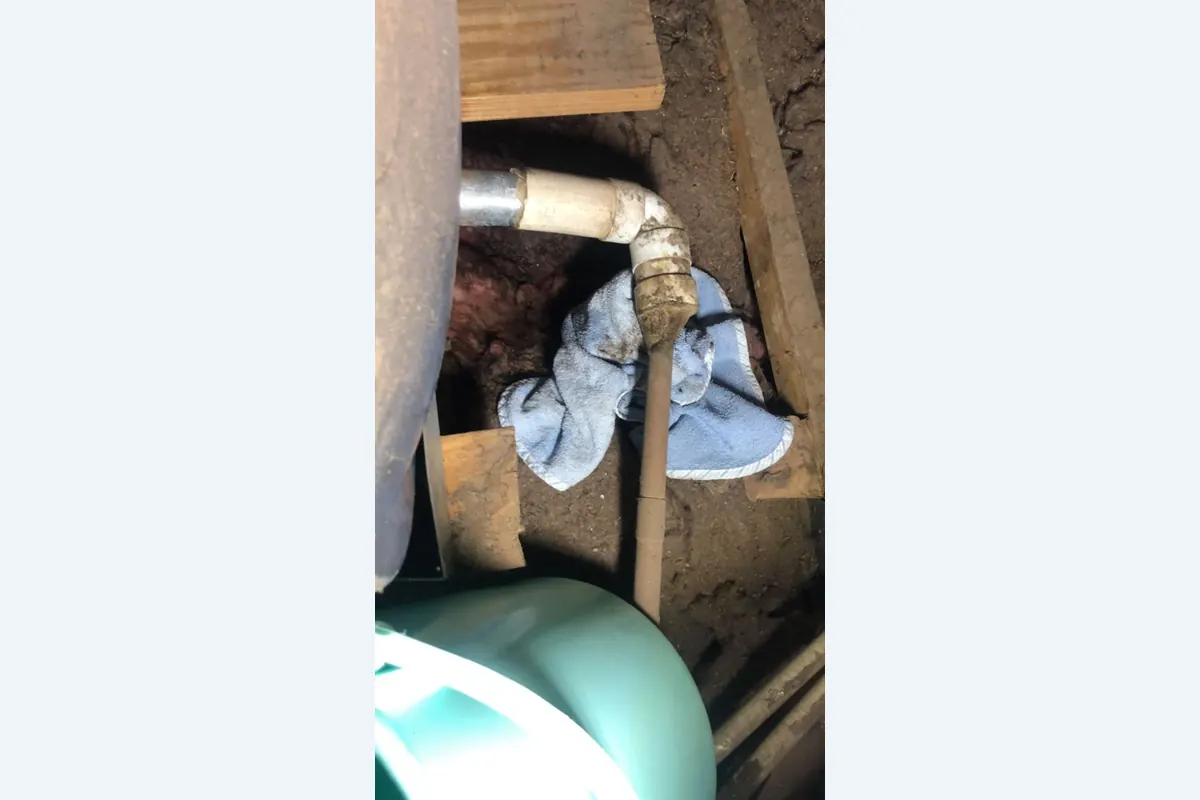
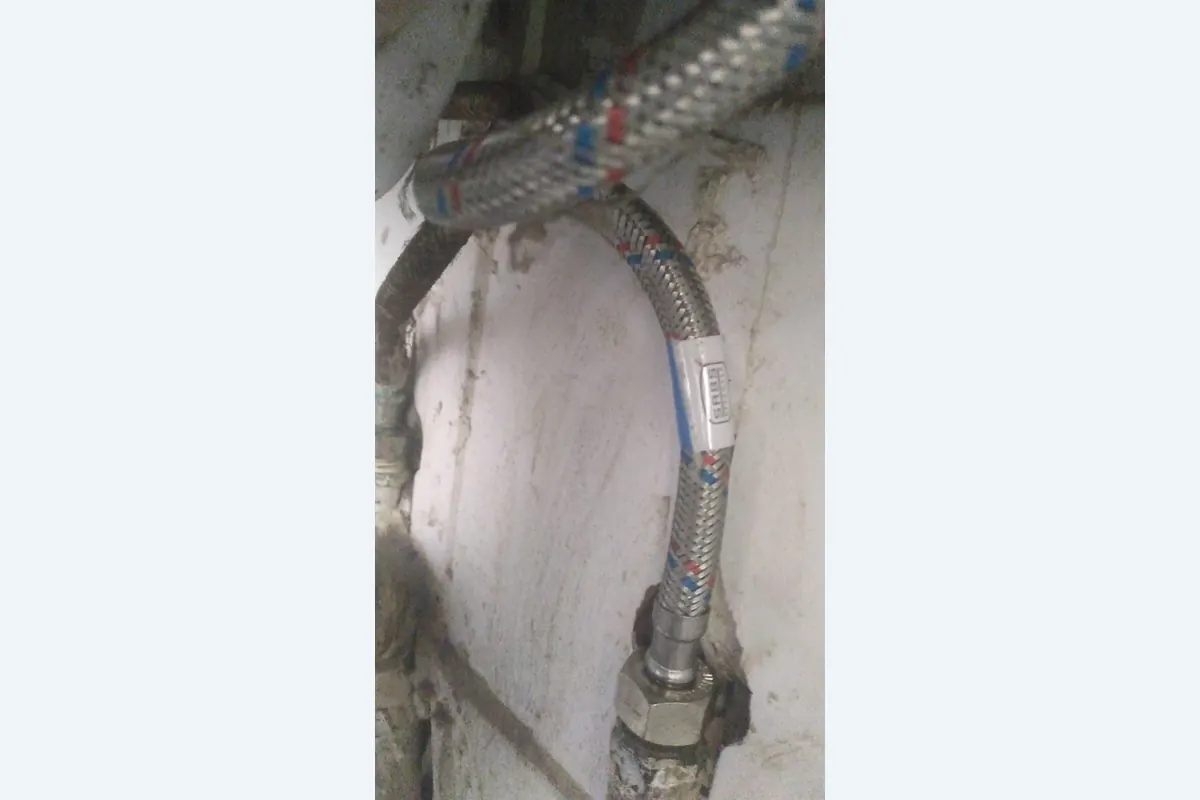
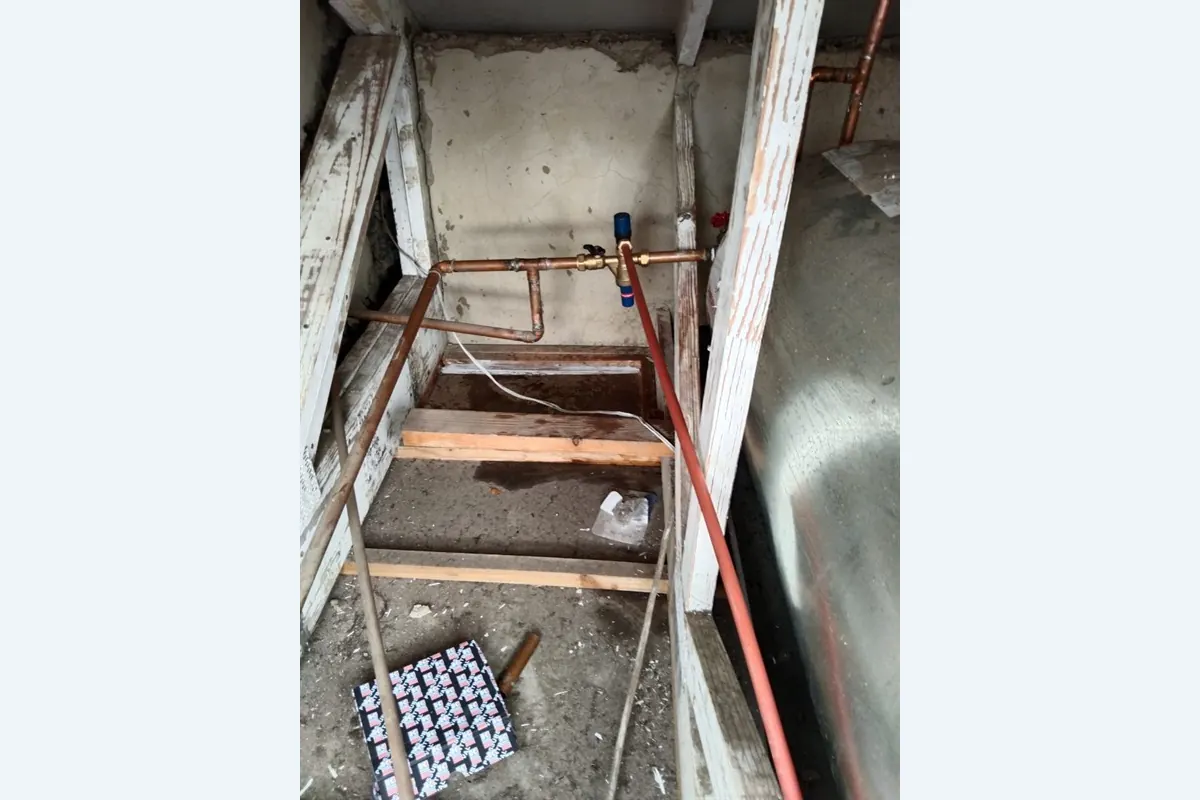
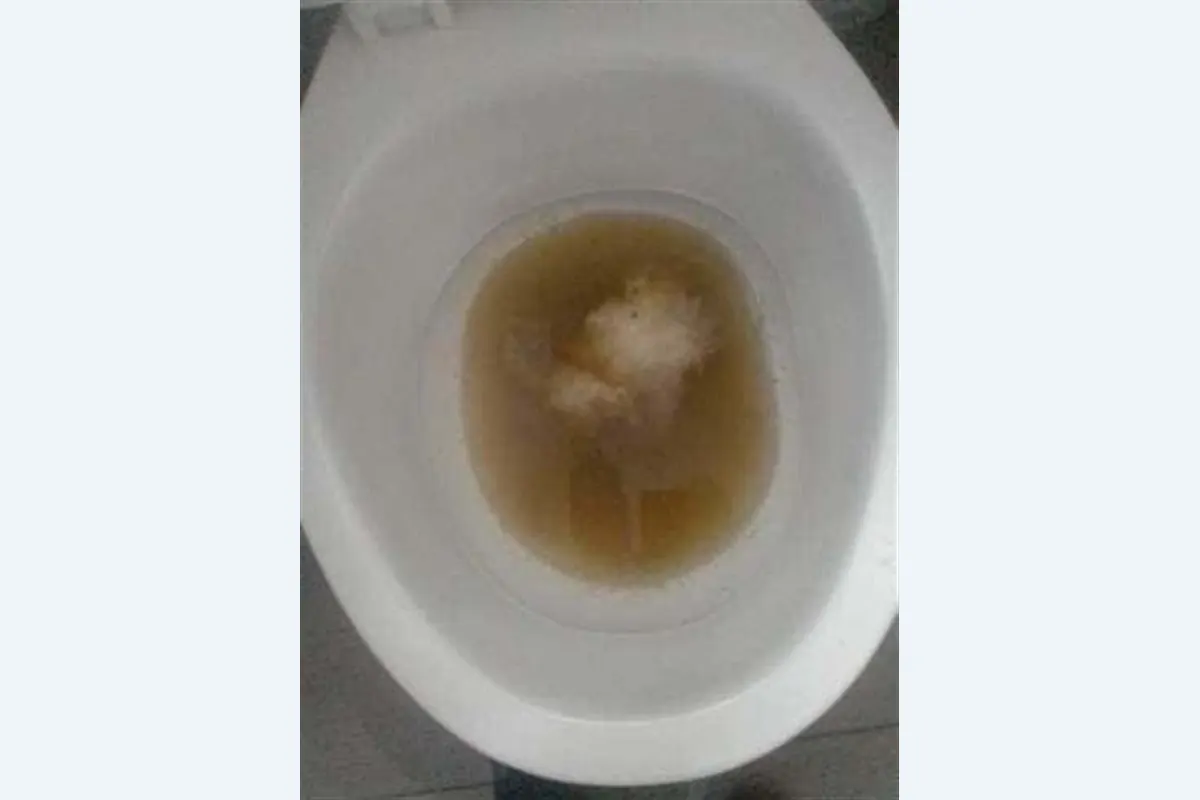
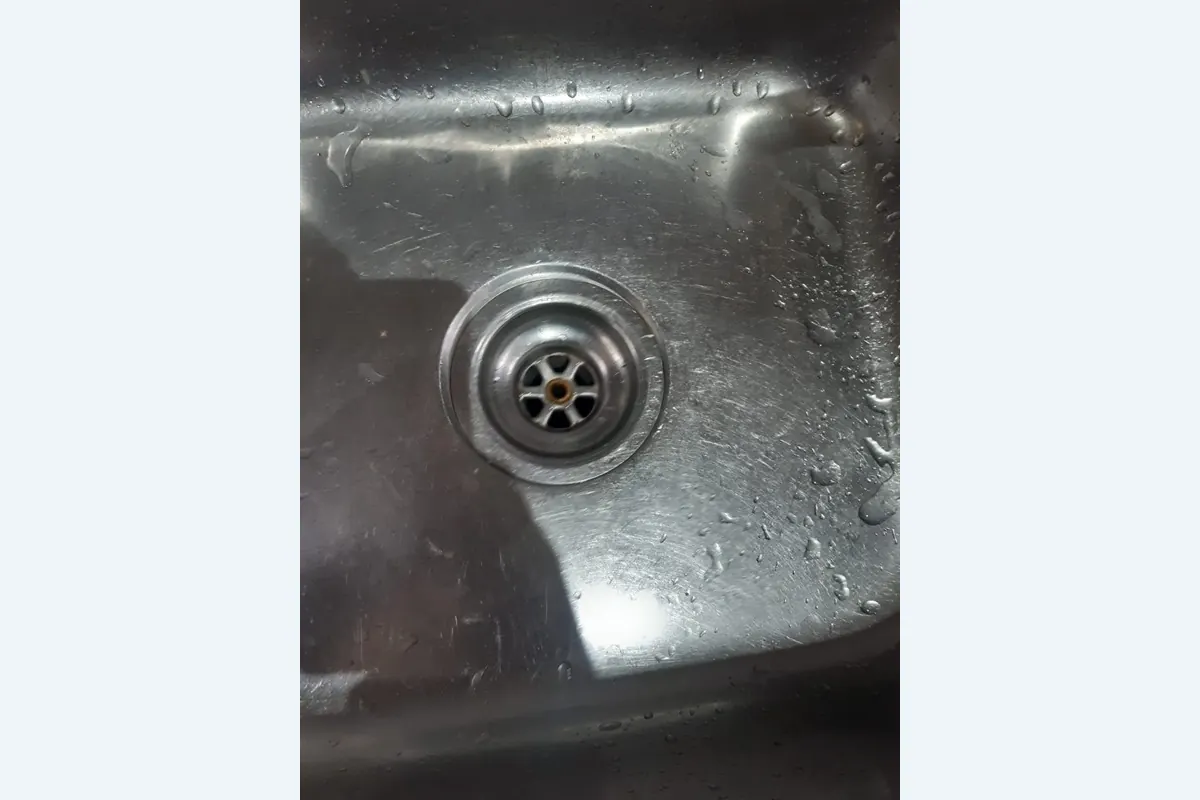
This is why the page asks for symptoms, access and photos. The correct job route is not only about the visible mess. It is about confirming whether the problem is supply-side, waste-side, pressure-related, fixture-related, geyser-related or caused by a shared line. A careful diagnosis can prevent breaking the wrong area, replacing the wrong part or clearing a blockage that comes back because the deeper cause was missed.