
24/7 Emergency Plumbing — Gauteng service coverageEmergency: 068 329 9795   |   sales@plumbers-near-me.co.za

Solar Geyser vs Electric Geyser: Which Is Better for South African Homes?

High-value plumbing guide #10

Solar Geyser vs Electric Geyser: Which Is Better for South African Homes?

Solar geysers and electric geysers solve the same hot-water need in different ways. The better choice depends on household size, roof space, budget, backup element use, maintenance expectations, winter performance, installation complexity and whether the home already has suitable plumbing routes.
Solar geyser versus electric geyser planning for South African homes

Why this plumbing question matters

This article should not be a sales pitch. It should help the visitor understand trade-offs. Solar can reduce electrical reliance, but it still needs correct sizing, plumbing, valves, controls, backup strategy and maintenance. Electric geysers can be simpler but may cost more to run depending on use and tariff patterns.

Good plumbing advice should not leave a visitor with a thin answer like “call a plumber” or “buy a part”. A useful guide explains what the symptom may mean, what information helps the plumber, what should not be touched, and which service route is most sensible. That is why this article is written around the decision a real customer must make before water damage, wasted water or repeat call-outs become worse.

For homes, complexes and businesses, the same symptom can have different causes. A damp cupboard may be a trap leak, supply pipe leak, waste pipe leak, seal failure or water travelling from another point. A geyser drip may be expansion, valve failure, pressure imbalance or an overflow that is becoming urgent. A blocked toilet may be local to the pan or part of a deeper drain line. The aim is to help you describe the problem clearly so the right person, parts and diagnostic route can be chosen.

Visible clues

Signs to look for before guessing

These signs help separate a small observation from a plumbing fault that needs proper diagnosis.

The household wants lower electricity use but still needs reliable morning hot water.

The current electric geyser is old or leaking and replacement is being considered.

The roof has possible solar exposure but installation access must be checked.

The family size, shower habits or winter use pattern has changed.

The customer wants to compare repair, replacement and solar upgrade options.

Safe checks before you call

These checks are meant to improve the enquiry, not to turn the repair into a risky DIY job. If water is active, the ceiling is wet, the geyser tray is running, sewage is backing up or electrical areas are involved, call first and keep the area safe.

  • Confirm household size and morning/evening hot-water demand.
  • Check roof orientation, shade and safe access before assuming solar will work.
  • Ask how backup heating will be controlled during cloudy weather.
  • Compare installation cost, maintenance and expected lifespan rather than only purchase price.
  • Use a plumber or installer to confirm valves, pressure control and compliance requirements.

Tip for faster help

Send one wide photo and one close photo. The wide photo shows the plumber the room, cupboard, paving, wall, roof access or drain location. The close photo shows the visible symptom. Together they help avoid wrong assumptions and make it easier to choose between emergency repair, leak detection, drain cleaning, geyser repair, a product enquiry or an area plumber.

Also mention your suburb, whether the water can be isolated, whether the issue is new or recurring, and whether a complex, landlord, body corporate, business manager or access guard must be involved.

When the problem needs a plumber instead of another guess

A plumbing fault becomes more serious when the same symptom keeps returning, water is still escaping, pressure changes suddenly, a ceiling or cupboard is wet, a drain backs up more than once, a geyser overflow keeps running, or the water meter moves even when fixtures are closed. In those cases, the correct next step is usually a diagnosis-led repair route rather than repeated temporary fixes.

For service planning, the best enquiry is practical: the visible symptom, the affected fixture, the suburb, access details and photos. For solar geyser or geyser problems, add when the water is cold or hot, whether the problem changes with weather, whether there is a controller or timer, and whether the overflow pipe is dripping. For drains and toilets, add whether more than one fixture is affected and whether an outside gully is overflowing.

Helpful answers

Frequently Asked Questions

Is this guide a replacement for a plumber?

No. This guide helps you understand the symptom, collect useful details and choose the right next step. Active leaks, overflowing drains, geyser overflows, sewage backups and water near electrical areas should be treated as urgent and handled by a qualified plumber.

What details should I send with my enquiry?

Send your suburb, the affected room or fixture, whether water is still running, whether the water can be isolated, one wide photo, one close photo and any access details such as gate codes, roof access, cupboards, paving, ceiling boards, landlord approval or body corporate rules.

When is this issue urgent?

It is urgent when water is actively escaping, a ceiling is wet, sewage is backing up, a toilet is overflowing, a geyser tray is filling, the water meter keeps moving with taps closed, the overflow pipe runs continuously or water is close to plugs, DB boards or appliances.

Can photos help before the plumber arrives?

Yes. A wide photo shows the plumber the room, cupboard, roof space, paving, boundary wall, drain position or access route. A close photo shows the visible fault, pipe material, valve, fitting, stain, overflow or blockage. Together they make it easier to prepare tools and parts before arrival.

Which service page should I open next?

Use leak detection when the source is hidden or the meter moves with taps closed. Use burst pipe repairs when water is escaping from a supply line. Use blocked drain cleaning when waste water backs up or drains slowly. Use geyser repairs for overflow, pressure valve, thermostat or hot-water issues.

What should I avoid doing before help arrives?

Avoid breaking walls, lifting paving, forcing valves, using repeated drain chemicals, opening geyser covers or touching electrical parts. The safest first step is to isolate water if possible, keep people away from wet electrical areas and send clear information for diagnosis.

Why can the visible water be far away from the real leak?

Water often travels along pipes, walls, ceilings, cupboards, slab edges or paving before it becomes visible. A stain in one room can come from a pipe above, a nearby bathroom, a roof space, a geyser tray or a hidden line. That is why guessing from one wet patch can be misleading.

How does access change the repair route?

Access can decide whether the plumber can repair directly or needs a different route. Cupboards, tiles, ceilings, paving, boundary walls, ducts, roof spaces, apartments, estates and commercial buildings can all affect time, tools, parts and whether approval is needed before opening anything.

Why does the same fault keep coming back?

A recurring fault often means the first symptom was treated but the cause was not solved. Repeated blockages can involve roots, poor pipe fall, damaged pipework or shared drains. Repeated geyser overflow can involve pressure control or valve issues. Repeated damp patches can mean a hidden leak still exists.

Can I buy a part first and then book installation?

Sometimes, yes, but pressure parts, geyser valves, mixer fittings, waste traps, flexi connectors and pipe fittings must match the system correctly. If thread size, rating, pipe material or access is uncertain, send photos first so the wrong part is not purchased.

What makes solar geyser questions different?

Solar geyser problems often depend on timing, weather, controller settings, backup element use, insulation, circulation, non-return valves and household hot-water demand. Mention whether water is hot in the day, cold in the morning, affected by cloudy weather or linked to a visible controller or timer.

What if this happens in a complex, estate or apartment?

Mention the body corporate, managing agent, landlord, security access, shared stacks, common property areas and whether other units are affected. This helps separate a private fixture fault from a shared drainage, supply, pressure or access issue.

How can I reduce the risk of extra damage while waiting?

Keep the area clear, move valuables away from water, place a bucket under a safe drip point if practical, avoid standing in water near electricity, isolate the closest valve if it turns easily, and phone the emergency line when water is still running or sewage is involved.

Why does this guide mention several possible causes instead of one answer?

Plumbing symptoms can look similar even when the cause is different. A leaking cupboard may be a trap, supply pipe, mixer, waste pipe or seal. A cold geyser may be an element, thermostat, timer, valve or solar circulation issue. Good diagnosis starts by narrowing the possibilities safely.

What is the best next step for solar geyser versus electric geyser?

The best next step is to match the visible symptom to the correct route: emergency call for active damage, leak detection for hidden water loss, drain cleaning for backups, geyser repair for hot-water and overflow faults, or product guidance when the issue is mainly a part or fitting question.
What Photos Should I Send a Plumber Before They Arrive?

High-value plumbing guide #9

What Photos Should I Send a Plumber Before They Arrive?

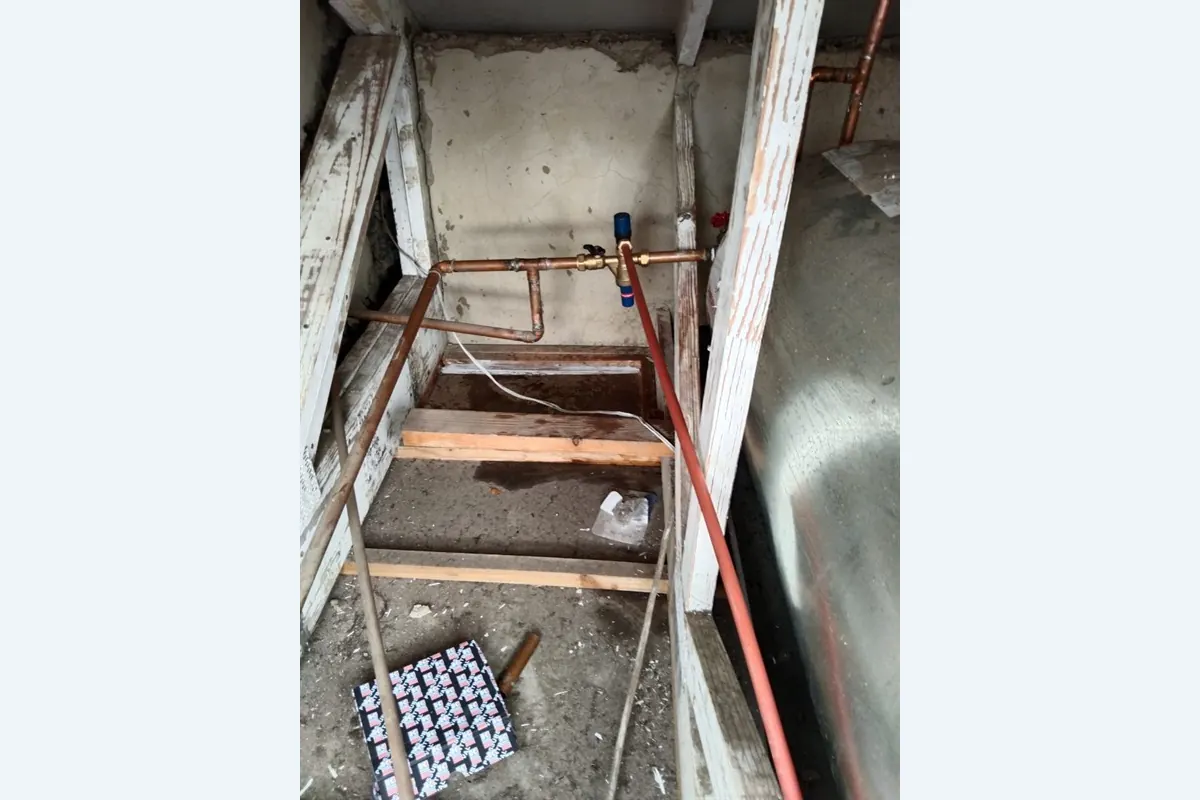
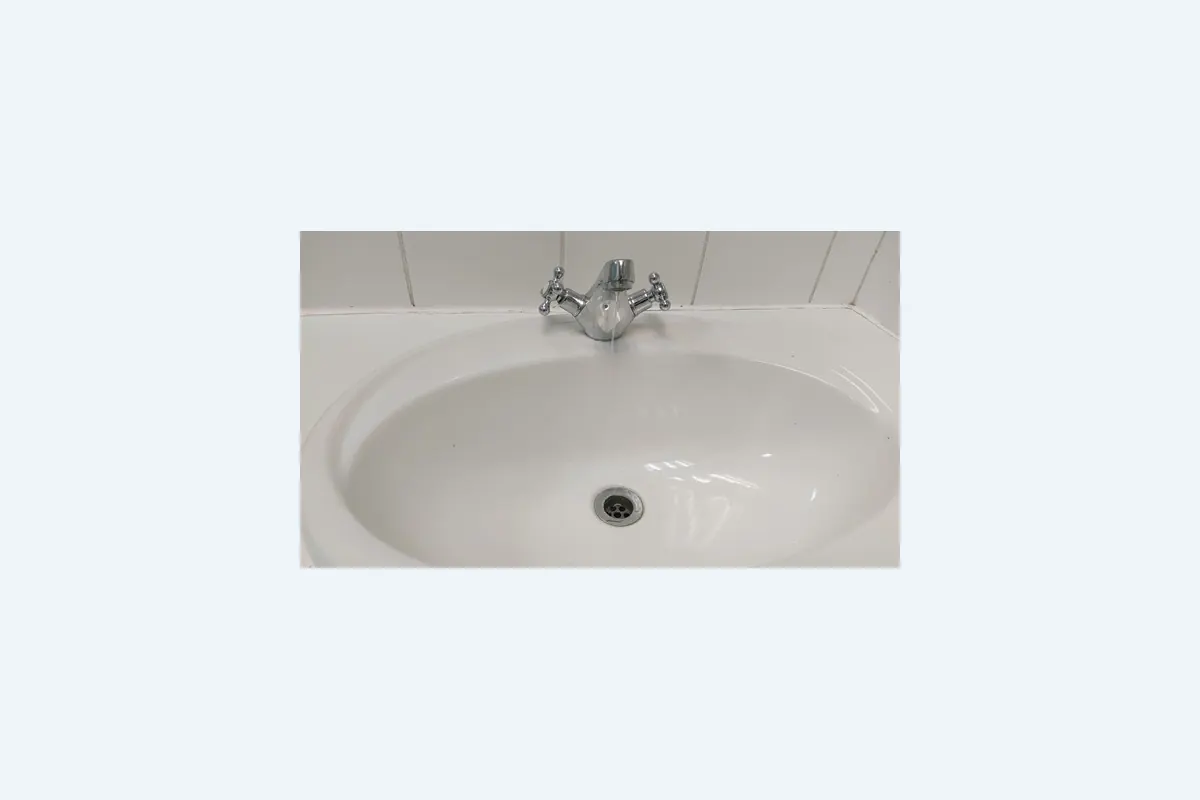
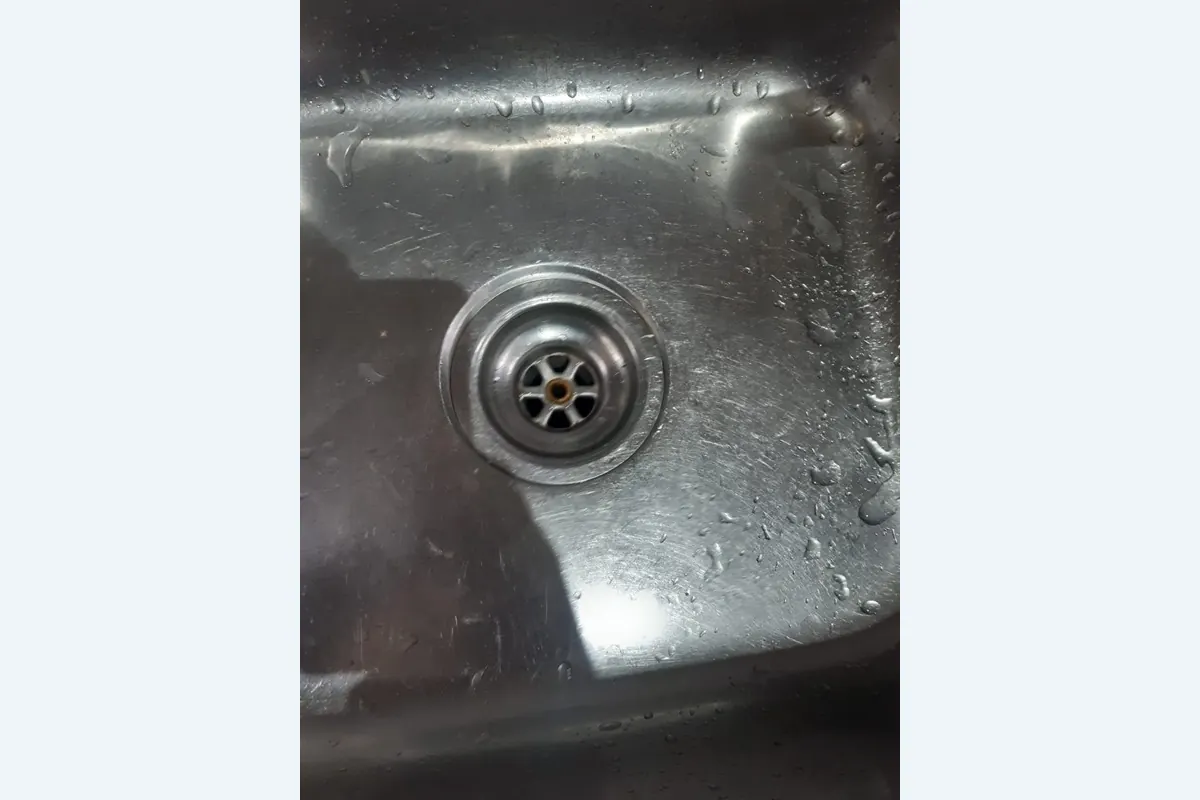
Good photos help the plumber understand the symptom, access, fixture type, valve position, water movement and likely parts before arriving. This guide explains the difference between a useful photo and a photo that is too close or missing context.

Useful plumbing photos showing pipework and repair access before a plumber arrives

Why this plumbing question matters

This is one of the most useful customer guides because it improves every enquiry. It helps visitors show the meter, leak, geyser tray, ceiling stain, drain, pan water level, isolation valve and surrounding access. Better photos can reduce delays, wrong parts and unclear quotes.

Good plumbing advice should not leave a visitor with a thin answer like “call a plumber” or “buy a part”. A useful guide explains what the symptom may mean, what information helps the plumber, what should not be touched, and which service route is most sensible. That is why this article is written around the decision a real customer must make before water damage, wasted water or repeat call-outs become worse.

For homes, complexes and businesses, the same symptom can have different causes. A damp cupboard may be a trap leak, supply pipe leak, waste pipe leak, seal failure or water travelling from another point. A geyser drip may be expansion, valve failure, pressure imbalance or an overflow that is becoming urgent. A blocked toilet may be local to the pan or part of a deeper drain line. The aim is to help you describe the problem clearly so the right person, parts and diagnostic route can be chosen.

Visible clues

Signs to look for before guessing

These signs help separate a small observation from a plumbing fault that needs proper diagnosis.

The customer can see water but does not know where it starts.

A fixture is leaking under a sink, basin, toilet or bath.

The plumber asks for photos before quoting or dispatch.

Access may be tight behind cupboards, ceilings, paving or walls.

The customer is unsure whether the fault is urgent.

Safe checks before you call

These checks are meant to improve the enquiry, not to turn the repair into a risky DIY job. If water is active, the ceiling is wet, the geyser tray is running, sewage is backing up or electrical areas are involved, call first and keep the area safe.

  • Take one wide photo showing the whole room or area.
  • Take one close photo of the leak, valve, drain, pipe or stain.
  • Photograph the water meter if hidden leakage is suspected.
  • Photograph the geyser tray, overflow pipe or ceiling stain if relevant.
  • Include access photos showing cupboards, paving, roof hatch, gate or complex entry.

Tip for faster help

Send one wide photo and one close photo. The wide photo shows the plumber the room, cupboard, paving, wall, roof access or drain location. The close photo shows the visible symptom. Together they help avoid wrong assumptions and make it easier to choose between emergency repair, leak detection, drain cleaning, geyser repair, a product enquiry or an area plumber.

Also mention your suburb, whether the water can be isolated, whether the issue is new or recurring, and whether a complex, landlord, body corporate, business manager or access guard must be involved.

When the problem needs a plumber instead of another guess

A plumbing fault becomes more serious when the same symptom keeps returning, water is still escaping, pressure changes suddenly, a ceiling or cupboard is wet, a drain backs up more than once, a geyser overflow keeps running, or the water meter moves even when fixtures are closed. In those cases, the correct next step is usually a diagnosis-led repair route rather than repeated temporary fixes.

For service planning, the best enquiry is practical: the visible symptom, the affected fixture, the suburb, access details and photos. For solar geyser or geyser problems, add when the water is cold or hot, whether the problem changes with weather, whether there is a controller or timer, and whether the overflow pipe is dripping. For drains and toilets, add whether more than one fixture is affected and whether an outside gully is overflowing.

Helpful answers

Frequently Asked Questions

Is this guide a replacement for a plumber?

No. This guide helps you understand the symptom, collect useful details and choose the right next step. Active leaks, overflowing drains, geyser overflows, sewage backups and water near electrical areas should be treated as urgent and handled by a qualified plumber.

What details should I send with my enquiry?

Send your suburb, the affected room or fixture, whether water is still running, whether the water can be isolated, one wide photo, one close photo and any access details such as gate codes, roof access, cupboards, paving, ceiling boards, landlord approval or body corporate rules.

When is this issue urgent?

It is urgent when water is actively escaping, a ceiling is wet, sewage is backing up, a toilet is overflowing, a geyser tray is filling, the water meter keeps moving with taps closed, the overflow pipe runs continuously or water is close to plugs, DB boards or appliances.

Can photos help before the plumber arrives?

Yes. A wide photo shows the plumber the room, cupboard, roof space, paving, boundary wall, drain position or access route. A close photo shows the visible fault, pipe material, valve, fitting, stain, overflow or blockage. Together they make it easier to prepare tools and parts before arrival.

Which service page should I open next?

Use leak detection when the source is hidden or the meter moves with taps closed. Use burst pipe repairs when water is escaping from a supply line. Use blocked drain cleaning when waste water backs up or drains slowly. Use geyser repairs for overflow, pressure valve, thermostat or hot-water issues.

What should I avoid doing before help arrives?

Avoid breaking walls, lifting paving, forcing valves, using repeated drain chemicals, opening geyser covers or touching electrical parts. The safest first step is to isolate water if possible, keep people away from wet electrical areas and send clear information for diagnosis.

Why can the visible water be far away from the real leak?

Water often travels along pipes, walls, ceilings, cupboards, slab edges or paving before it becomes visible. A stain in one room can come from a pipe above, a nearby bathroom, a roof space, a geyser tray or a hidden line. That is why guessing from one wet patch can be misleading.

How does access change the repair route?

Access can decide whether the plumber can repair directly or needs a different route. Cupboards, tiles, ceilings, paving, boundary walls, ducts, roof spaces, apartments, estates and commercial buildings can all affect time, tools, parts and whether approval is needed before opening anything.

Why does the same fault keep coming back?

A recurring fault often means the first symptom was treated but the cause was not solved. Repeated blockages can involve roots, poor pipe fall, damaged pipework or shared drains. Repeated geyser overflow can involve pressure control or valve issues. Repeated damp patches can mean a hidden leak still exists.

Can I buy a part first and then book installation?

Sometimes, yes, but pressure parts, geyser valves, mixer fittings, waste traps, flexi connectors and pipe fittings must match the system correctly. If thread size, rating, pipe material or access is uncertain, send photos first so the wrong part is not purchased.

What makes solar geyser questions different?

Solar geyser problems often depend on timing, weather, controller settings, backup element use, insulation, circulation, non-return valves and household hot-water demand. Mention whether water is hot in the day, cold in the morning, affected by cloudy weather or linked to a visible controller or timer.

What if this happens in a complex, estate or apartment?

Mention the body corporate, managing agent, landlord, security access, shared stacks, common property areas and whether other units are affected. This helps separate a private fixture fault from a shared drainage, supply, pressure or access issue.

How can I reduce the risk of extra damage while waiting?

Keep the area clear, move valuables away from water, place a bucket under a safe drip point if practical, avoid standing in water near electricity, isolate the closest valve if it turns easily, and phone the emergency line when water is still running or sewage is involved.

Why does this guide mention several possible causes instead of one answer?

Plumbing symptoms can look similar even when the cause is different. A leaking cupboard may be a trap, supply pipe, mixer, waste pipe or seal. A cold geyser may be an element, thermostat, timer, valve or solar circulation issue. Good diagnosis starts by narrowing the possibilities safely.

What is the best next step for photos to send a plumber before arrival?

The best next step is to match the visible symptom to the correct route: emergency call for active damage, leak detection for hidden water loss, drain cleaning for backups, geyser repair for hot-water and overflow faults, or product guidance when the issue is mainly a part or fitting question.
Brown Water After a Water Outage: Should I Call a Plumber?

High-value plumbing guide #8

Brown Water After a Water Outage: Should I Call a Plumber?

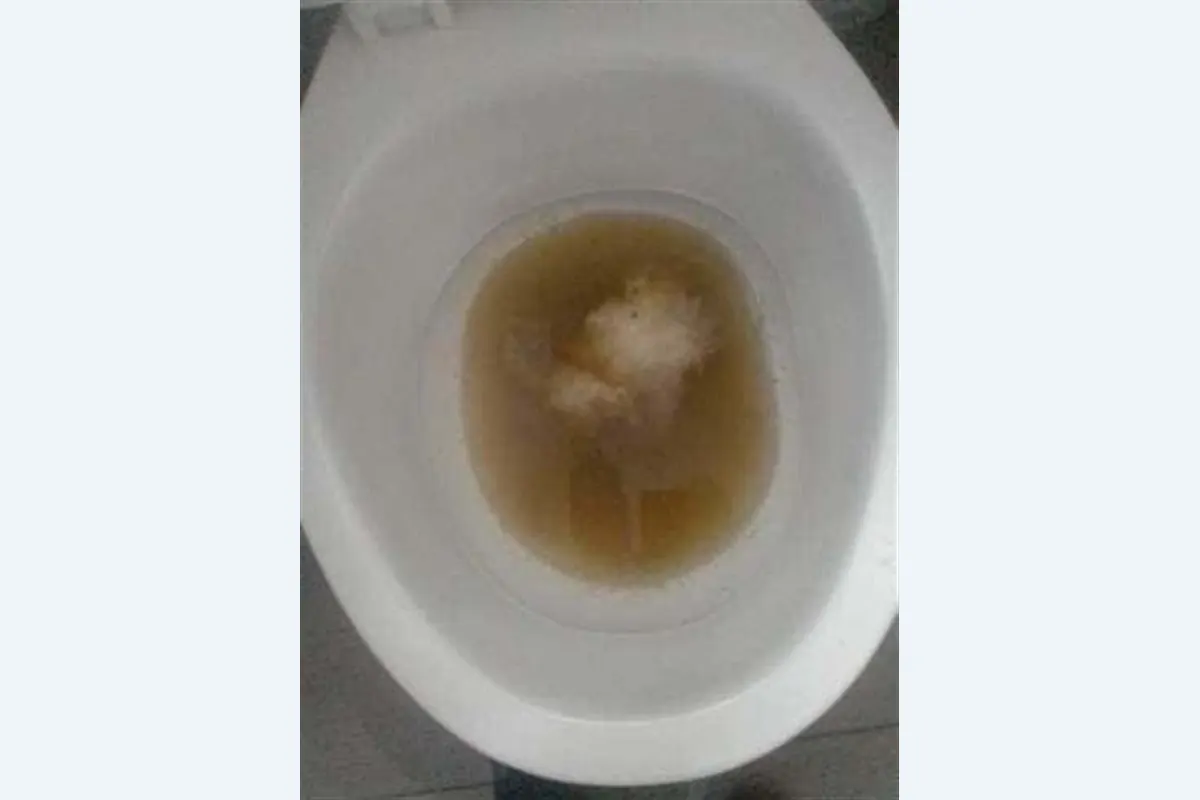
Brown water after a municipal outage can be caused by disturbed sediment, air in the pipes, local supply work or old internal pipework. Sometimes it clears, but persistent discolouration, blocked strainers, geyser issues or pressure damage may need a plumber.

Brown water after outage and plumbing checks at household taps

Why this plumbing question matters

Gauteng outages and pressure changes make this an important guide. The customer needs to know when brown water is likely a supply-side symptom and when it has created a property-side issue such as clogged aerators, stressed valves, geyser sediment, pressure shocks or discoloured hot water.

Good plumbing advice should not leave a visitor with a thin answer like “call a plumber” or “buy a part”. A useful guide explains what the symptom may mean, what information helps the plumber, what should not be touched, and which service route is most sensible. That is why this article is written around the decision a real customer must make before water damage, wasted water or repeat call-outs become worse.

For homes, complexes and businesses, the same symptom can have different causes. A damp cupboard may be a trap leak, supply pipe leak, waste pipe leak, seal failure or water travelling from another point. A geyser drip may be expansion, valve failure, pressure imbalance or an overflow that is becoming urgent. A blocked toilet may be local to the pan or part of a deeper drain line. The aim is to help you describe the problem clearly so the right person, parts and diagnostic route can be chosen.

Visible clues

Signs to look for before guessing

These signs help separate a small observation from a plumbing fault that needs proper diagnosis.

Cold water runs brown after supply returns.

Hot water remains discoloured for longer than cold water.

Tap aerators clog with grit or flow becomes weak.

Geyser overflow, valve noise or pressure changes appear after the outage.

Only one fixture is affected while others clear.

Safe checks before you call

These checks are meant to improve the enquiry, not to turn the repair into a risky DIY job. If water is active, the ceiling is wet, the geyser tray is running, sewage is backing up or electrical areas are involved, call first and keep the area safe.

  • Open taps gently and avoid sudden high flow if pressure has just returned.
  • Compare cold and hot water symptoms.
  • Check whether neighbours have the same discolouration.
  • Do not ignore new leaks, dripping valves or geyser tray overflow after pressure returns.
  • Take photos of the water colour and affected fixtures if the problem persists.

Tip for faster help

Send one wide photo and one close photo. The wide photo shows the plumber the room, cupboard, paving, wall, roof access or drain location. The close photo shows the visible symptom. Together they help avoid wrong assumptions and make it easier to choose between emergency repair, leak detection, drain cleaning, geyser repair, a product enquiry or an area plumber.

Also mention your suburb, whether the water can be isolated, whether the issue is new or recurring, and whether a complex, landlord, body corporate, business manager or access guard must be involved.

When the problem needs a plumber instead of another guess

A plumbing fault becomes more serious when the same symptom keeps returning, water is still escaping, pressure changes suddenly, a ceiling or cupboard is wet, a drain backs up more than once, a geyser overflow keeps running, or the water meter moves even when fixtures are closed. In those cases, the correct next step is usually a diagnosis-led repair route rather than repeated temporary fixes.

For service planning, the best enquiry is practical: the visible symptom, the affected fixture, the suburb, access details and photos. For solar geyser or geyser problems, add when the water is cold or hot, whether the problem changes with weather, whether there is a controller or timer, and whether the overflow pipe is dripping. For drains and toilets, add whether more than one fixture is affected and whether an outside gully is overflowing.

Helpful answers

Frequently Asked Questions

Is this guide a replacement for a plumber?

No. This guide helps you understand the symptom, collect useful details and choose the right next step. Active leaks, overflowing drains, geyser overflows, sewage backups and water near electrical areas should be treated as urgent and handled by a qualified plumber.

What details should I send with my enquiry?

Send your suburb, the affected room or fixture, whether water is still running, whether the water can be isolated, one wide photo, one close photo and any access details such as gate codes, roof access, cupboards, paving, ceiling boards, landlord approval or body corporate rules.

When is this issue urgent?

It is urgent when water is actively escaping, a ceiling is wet, sewage is backing up, a toilet is overflowing, a geyser tray is filling, the water meter keeps moving with taps closed, the overflow pipe runs continuously or water is close to plugs, DB boards or appliances.

Can photos help before the plumber arrives?

Yes. A wide photo shows the plumber the room, cupboard, roof space, paving, boundary wall, drain position or access route. A close photo shows the visible fault, pipe material, valve, fitting, stain, overflow or blockage. Together they make it easier to prepare tools and parts before arrival.

Which service page should I open next?

Use leak detection when the source is hidden or the meter moves with taps closed. Use burst pipe repairs when water is escaping from a supply line. Use blocked drain cleaning when waste water backs up or drains slowly. Use geyser repairs for overflow, pressure valve, thermostat or hot-water issues.

What should I avoid doing before help arrives?

Avoid breaking walls, lifting paving, forcing valves, using repeated drain chemicals, opening geyser covers or touching electrical parts. The safest first step is to isolate water if possible, keep people away from wet electrical areas and send clear information for diagnosis.

Why can the visible water be far away from the real leak?

Water often travels along pipes, walls, ceilings, cupboards, slab edges or paving before it becomes visible. A stain in one room can come from a pipe above, a nearby bathroom, a roof space, a geyser tray or a hidden line. That is why guessing from one wet patch can be misleading.

How does access change the repair route?

Access can decide whether the plumber can repair directly or needs a different route. Cupboards, tiles, ceilings, paving, boundary walls, ducts, roof spaces, apartments, estates and commercial buildings can all affect time, tools, parts and whether approval is needed before opening anything.

Why does the same fault keep coming back?

A recurring fault often means the first symptom was treated but the cause was not solved. Repeated blockages can involve roots, poor pipe fall, damaged pipework or shared drains. Repeated geyser overflow can involve pressure control or valve issues. Repeated damp patches can mean a hidden leak still exists.

Can I buy a part first and then book installation?

Sometimes, yes, but pressure parts, geyser valves, mixer fittings, waste traps, flexi connectors and pipe fittings must match the system correctly. If thread size, rating, pipe material or access is uncertain, send photos first so the wrong part is not purchased.

What makes solar geyser questions different?

Solar geyser problems often depend on timing, weather, controller settings, backup element use, insulation, circulation, non-return valves and household hot-water demand. Mention whether water is hot in the day, cold in the morning, affected by cloudy weather or linked to a visible controller or timer.

What if this happens in a complex, estate or apartment?

Mention the body corporate, managing agent, landlord, security access, shared stacks, common property areas and whether other units are affected. This helps separate a private fixture fault from a shared drainage, supply, pressure or access issue.

How can I reduce the risk of extra damage while waiting?

Keep the area clear, move valuables away from water, place a bucket under a safe drip point if practical, avoid standing in water near electricity, isolate the closest valve if it turns easily, and phone the emergency line when water is still running or sewage is involved.

Why does this guide mention several possible causes instead of one answer?

Plumbing symptoms can look similar even when the cause is different. A leaking cupboard may be a trap, supply pipe, mixer, waste pipe or seal. A cold geyser may be an element, thermostat, timer, valve or solar circulation issue. Good diagnosis starts by narrowing the possibilities safely.

What is the best next step for brown water after a water outage?

The best next step is to match the visible symptom to the correct route: emergency call for active damage, leak detection for hidden water loss, drain cleaning for backups, geyser repair for hot-water and overflow faults, or product guidance when the issue is mainly a part or fitting question.
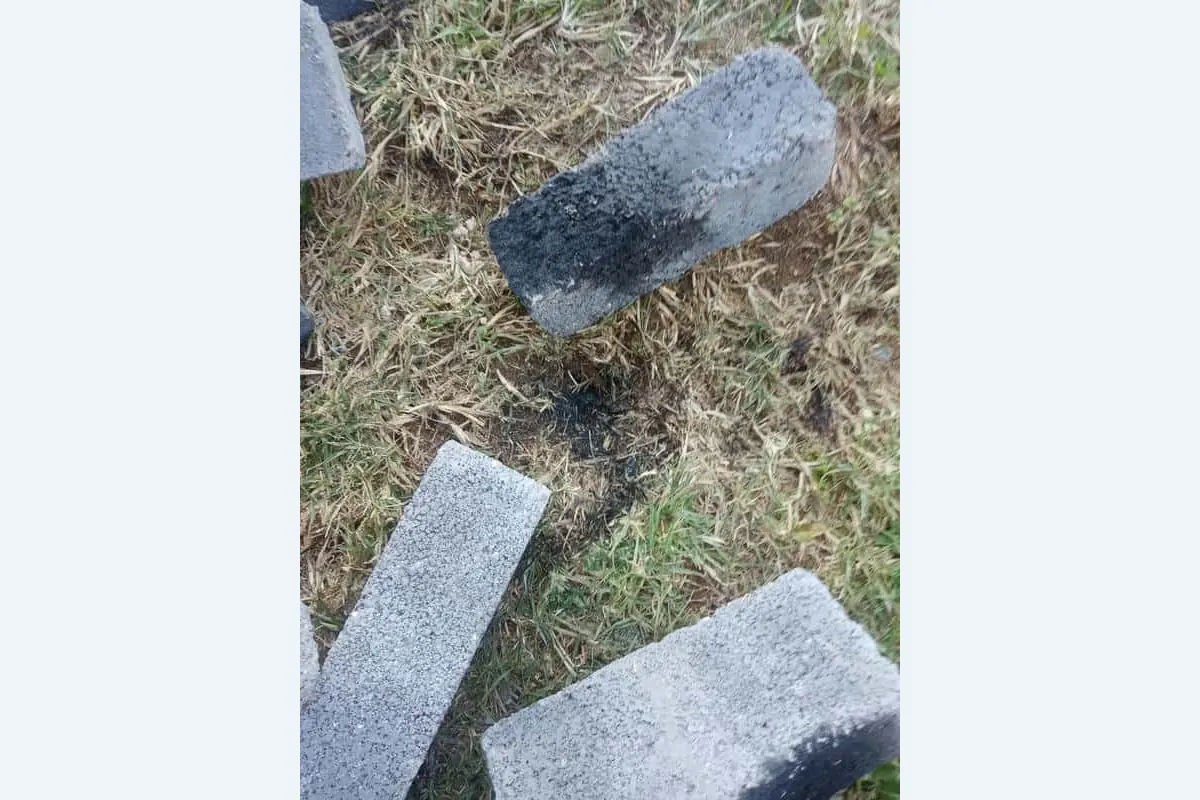
Toilet Keeps Blocking: Is It the Toilet or the Drain Line?

High-value plumbing guide #7

Toilet Keeps Blocking: Is It the Toilet or the Drain Line?

A toilet that keeps blocking may have a local pan obstruction, a branch drain fault, a main sewer issue, poor flush performance, incorrect items in the line, scale build-up or shared drainage problems in a complex. This guide helps customers understand the route before the repair.

Blocked toilet diagnosis to separate pan blockage from drain line fault

Why this plumbing question matters

Most toilet pages only say call a plumber. A better guide helps the visitor notice whether the water rises in the pan only, whether other drains gurgle, whether the outside gully overflows, and whether the blockage happens after every use or only after heavy use. That detail changes the repair route.

Good plumbing advice should not leave a visitor with a thin answer like “call a plumber” or “buy a part”. A useful guide explains what the symptom may mean, what information helps the plumber, what should not be touched, and which service route is most sensible. That is why this article is written around the decision a real customer must make before water damage, wasted water or repeat call-outs become worse.

For homes, complexes and businesses, the same symptom can have different causes. A damp cupboard may be a trap leak, supply pipe leak, waste pipe leak, seal failure or water travelling from another point. A geyser drip may be expansion, valve failure, pressure imbalance or an overflow that is becoming urgent. A blocked toilet may be local to the pan or part of a deeper drain line. The aim is to help you describe the problem clearly so the right person, parts and diagnostic route can be chosen.

Visible clues

Signs to look for before guessing

These signs help separate a small observation from a plumbing fault that needs proper diagnosis.

The pan fills high and drains slowly after flushing.

The toilet blocks again even after plunging or clearing.

Nearby shower or basin drains gurgle when the toilet is flushed.

An outside drain overflows when the toilet is used.

The issue is worse in a complex, shared stack or high-use bathroom.

Safe checks before you call

These checks are meant to improve the enquiry, not to turn the repair into a risky DIY job. If water is active, the ceiling is wet, the geyser tray is running, sewage is backing up or electrical areas are involved, call first and keep the area safe.

  • Stop repeated flushing if the pan is already high.
  • Do not push hard objects or inappropriate tools into the pan.
  • Check whether other drains are also slow or noisy.
  • Take a photo of the water level and any outside overflow.
  • Tell the plumber if wipes, toys, sanitary items or construction debris may be involved.

Tip for faster help

Send one wide photo and one close photo. The wide photo shows the plumber the room, cupboard, paving, wall, roof access or drain location. The close photo shows the visible symptom. Together they help avoid wrong assumptions and make it easier to choose between emergency repair, leak detection, drain cleaning, geyser repair, a product enquiry or an area plumber.

Also mention your suburb, whether the water can be isolated, whether the issue is new or recurring, and whether a complex, landlord, body corporate, business manager or access guard must be involved.

When the problem needs a plumber instead of another guess

A plumbing fault becomes more serious when the same symptom keeps returning, water is still escaping, pressure changes suddenly, a ceiling or cupboard is wet, a drain backs up more than once, a geyser overflow keeps running, or the water meter moves even when fixtures are closed. In those cases, the correct next step is usually a diagnosis-led repair route rather than repeated temporary fixes.

For service planning, the best enquiry is practical: the visible symptom, the affected fixture, the suburb, access details and photos. For solar geyser or geyser problems, add when the water is cold or hot, whether the problem changes with weather, whether there is a controller or timer, and whether the overflow pipe is dripping. For drains and toilets, add whether more than one fixture is affected and whether an outside gully is overflowing.

Helpful answers

Frequently Asked Questions

Is this guide a replacement for a plumber?

No. This guide helps you understand the symptom, collect useful details and choose the right next step. Active leaks, overflowing drains, geyser overflows, sewage backups and water near electrical areas should be treated as urgent and handled by a qualified plumber.

What details should I send with my enquiry?

Send your suburb, the affected room or fixture, whether water is still running, whether the water can be isolated, one wide photo, one close photo and any access details such as gate codes, roof access, cupboards, paving, ceiling boards, landlord approval or body corporate rules.

When is this issue urgent?

It is urgent when water is actively escaping, a ceiling is wet, sewage is backing up, a toilet is overflowing, a geyser tray is filling, the water meter keeps moving with taps closed, the overflow pipe runs continuously or water is close to plugs, DB boards or appliances.

Can photos help before the plumber arrives?

Yes. A wide photo shows the plumber the room, cupboard, roof space, paving, boundary wall, drain position or access route. A close photo shows the visible fault, pipe material, valve, fitting, stain, overflow or blockage. Together they make it easier to prepare tools and parts before arrival.

Which service page should I open next?

Use leak detection when the source is hidden or the meter moves with taps closed. Use burst pipe repairs when water is escaping from a supply line. Use blocked drain cleaning when waste water backs up or drains slowly. Use geyser repairs for overflow, pressure valve, thermostat or hot-water issues.

What should I avoid doing before help arrives?

Avoid breaking walls, lifting paving, forcing valves, using repeated drain chemicals, opening geyser covers or touching electrical parts. The safest first step is to isolate water if possible, keep people away from wet electrical areas and send clear information for diagnosis.

Why can the visible water be far away from the real leak?

Water often travels along pipes, walls, ceilings, cupboards, slab edges or paving before it becomes visible. A stain in one room can come from a pipe above, a nearby bathroom, a roof space, a geyser tray or a hidden line. That is why guessing from one wet patch can be misleading.

How does access change the repair route?

Access can decide whether the plumber can repair directly or needs a different route. Cupboards, tiles, ceilings, paving, boundary walls, ducts, roof spaces, apartments, estates and commercial buildings can all affect time, tools, parts and whether approval is needed before opening anything.

Why does the same fault keep coming back?

A recurring fault often means the first symptom was treated but the cause was not solved. Repeated blockages can involve roots, poor pipe fall, damaged pipework or shared drains. Repeated geyser overflow can involve pressure control or valve issues. Repeated damp patches can mean a hidden leak still exists.

Can I buy a part first and then book installation?

Sometimes, yes, but pressure parts, geyser valves, mixer fittings, waste traps, flexi connectors and pipe fittings must match the system correctly. If thread size, rating, pipe material or access is uncertain, send photos first so the wrong part is not purchased.

What makes solar geyser questions different?

Solar geyser problems often depend on timing, weather, controller settings, backup element use, insulation, circulation, non-return valves and household hot-water demand. Mention whether water is hot in the day, cold in the morning, affected by cloudy weather or linked to a visible controller or timer.

What if this happens in a complex, estate or apartment?

Mention the body corporate, managing agent, landlord, security access, shared stacks, common property areas and whether other units are affected. This helps separate a private fixture fault from a shared drainage, supply, pressure or access issue.

How can I reduce the risk of extra damage while waiting?

Keep the area clear, move valuables away from water, place a bucket under a safe drip point if practical, avoid standing in water near electricity, isolate the closest valve if it turns easily, and phone the emergency line when water is still running or sewage is involved.

Why does this guide mention several possible causes instead of one answer?

Plumbing symptoms can look similar even when the cause is different. A leaking cupboard may be a trap, supply pipe, mixer, waste pipe or seal. A cold geyser may be an element, thermostat, timer, valve or solar circulation issue. Good diagnosis starts by narrowing the possibilities safely.

What is the best next step for a toilet that keeps blocking?

The best next step is to match the visible symptom to the correct route: emergency call for active damage, leak detection for hidden water loss, drain cleaning for backups, geyser repair for hot-water and overflow faults, or product guidance when the issue is mainly a part or fitting question.
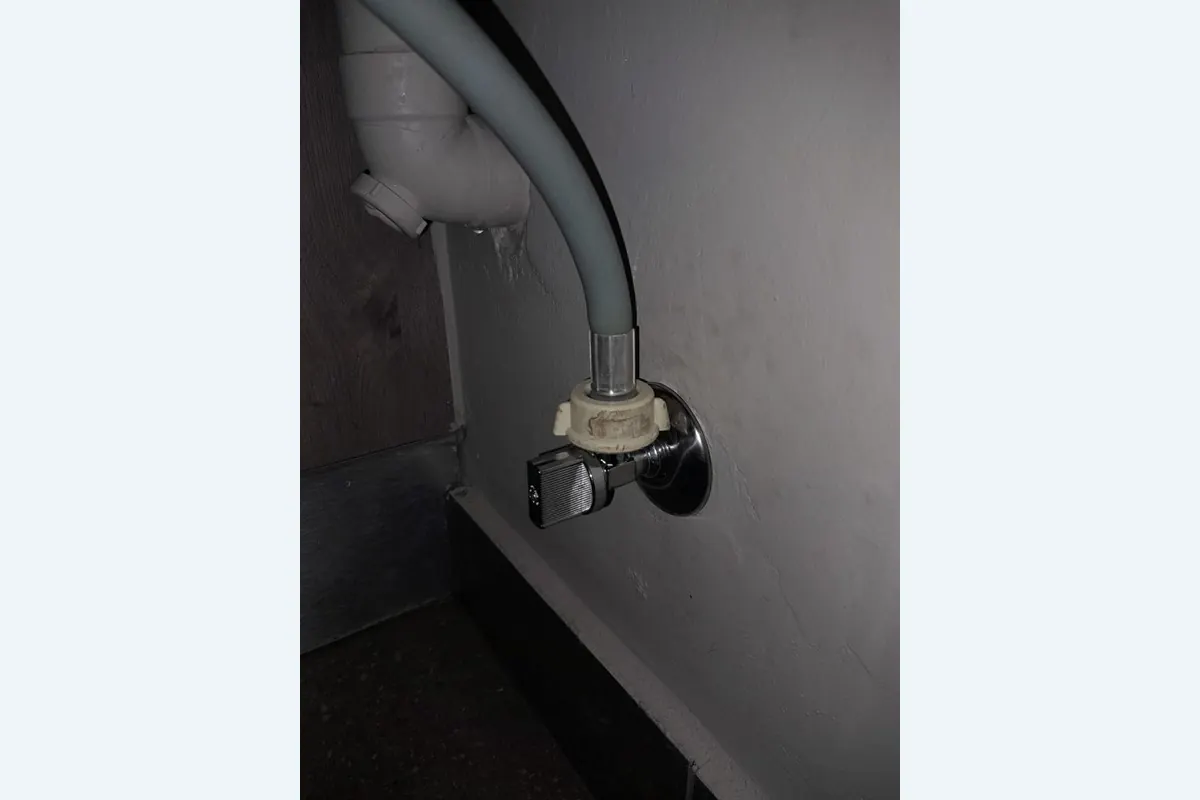
Why Does My Drain Keep Blocking After It Was Already Cleared?

High-value plumbing guide #6

Why Does My Drain Keep Blocking After It Was Already Cleared?

A drain that keeps blocking is rarely solved by repeating the same quick clearing method forever. Recurring blockages can come from roots, grease, collapsed pipe sections, poor fall, broken earthenware, foreign objects, scale, construction debris or shared drainage issues.

Recurring blocked drain after previous clearing service

Why this plumbing question matters

This article is high value because repeat drain problems are frustrating and urgent. The customer may have paid once already and does not want another temporary job. The guide explains how to separate a simple trap blockage from a deeper line problem and why photos, gully location and flow tests help the plumber choose the right method.

Good plumbing advice should not leave a visitor with a thin answer like “call a plumber” or “buy a part”. A useful guide explains what the symptom may mean, what information helps the plumber, what should not be touched, and which service route is most sensible. That is why this article is written around the decision a real customer must make before water damage, wasted water or repeat call-outs become worse.

For homes, complexes and businesses, the same symptom can have different causes. A damp cupboard may be a trap leak, supply pipe leak, waste pipe leak, seal failure or water travelling from another point. A geyser drip may be expansion, valve failure, pressure imbalance or an overflow that is becoming urgent. A blocked toilet may be local to the pan or part of a deeper drain line. The aim is to help you describe the problem clearly so the right person, parts and diagnostic route can be chosen.

Visible clues

Signs to look for before guessing

These signs help separate a small observation from a plumbing fault that needs proper diagnosis.

The same drain slows again within days or weeks.

Several fixtures gurgle, smell or back up at the same time.

An outside gully overflows when sinks, baths or toilets are used.

Clearing helps temporarily but the blockage returns.

Roots, grease, broken pipe sections or poor fall are suspected.

Safe checks before you call

These checks are meant to improve the enquiry, not to turn the repair into a risky DIY job. If water is active, the ceiling is wet, the geyser tray is running, sewage is backing up or electrical areas are involved, call first and keep the area safe.

  • Check whether only one fixture is affected or the whole line is slow.
  • Avoid repeated chemical drain cleaners that can complicate the repair.
  • Take photos of the overflowing gully and affected fixtures.
  • Note whether the blockage follows heavy rain, high use or kitchen activity.
  • Ask whether camera inspection or jetting is needed for a repeat fault.

Tip for faster help

Send one wide photo and one close photo. The wide photo shows the plumber the room, cupboard, paving, wall, roof access or drain location. The close photo shows the visible symptom. Together they help avoid wrong assumptions and make it easier to choose between emergency repair, leak detection, drain cleaning, geyser repair, a product enquiry or an area plumber.

Also mention your suburb, whether the water can be isolated, whether the issue is new or recurring, and whether a complex, landlord, body corporate, business manager or access guard must be involved.

When the problem needs a plumber instead of another guess

A plumbing fault becomes more serious when the same symptom keeps returning, water is still escaping, pressure changes suddenly, a ceiling or cupboard is wet, a drain backs up more than once, a geyser overflow keeps running, or the water meter moves even when fixtures are closed. In those cases, the correct next step is usually a diagnosis-led repair route rather than repeated temporary fixes.

For service planning, the best enquiry is practical: the visible symptom, the affected fixture, the suburb, access details and photos. For solar geyser or geyser problems, add when the water is cold or hot, whether the problem changes with weather, whether there is a controller or timer, and whether the overflow pipe is dripping. For drains and toilets, add whether more than one fixture is affected and whether an outside gully is overflowing.

Helpful answers

Frequently Asked Questions

Is this guide a replacement for a plumber?

No. This guide helps you understand the symptom, collect useful details and choose the right next step. Active leaks, overflowing drains, geyser overflows, sewage backups and water near electrical areas should be treated as urgent and handled by a qualified plumber.

What details should I send with my enquiry?

Send your suburb, the affected room or fixture, whether water is still running, whether the water can be isolated, one wide photo, one close photo and any access details such as gate codes, roof access, cupboards, paving, ceiling boards, landlord approval or body corporate rules.

When is this issue urgent?

It is urgent when water is actively escaping, a ceiling is wet, sewage is backing up, a toilet is overflowing, a geyser tray is filling, the water meter keeps moving with taps closed, the overflow pipe runs continuously or water is close to plugs, DB boards or appliances.

Can photos help before the plumber arrives?

Yes. A wide photo shows the plumber the room, cupboard, roof space, paving, boundary wall, drain position or access route. A close photo shows the visible fault, pipe material, valve, fitting, stain, overflow or blockage. Together they make it easier to prepare tools and parts before arrival.

Which service page should I open next?

Use leak detection when the source is hidden or the meter moves with taps closed. Use burst pipe repairs when water is escaping from a supply line. Use blocked drain cleaning when waste water backs up or drains slowly. Use geyser repairs for overflow, pressure valve, thermostat or hot-water issues.

What should I avoid doing before help arrives?

Avoid breaking walls, lifting paving, forcing valves, using repeated drain chemicals, opening geyser covers or touching electrical parts. The safest first step is to isolate water if possible, keep people away from wet electrical areas and send clear information for diagnosis.

Why can the visible water be far away from the real leak?

Water often travels along pipes, walls, ceilings, cupboards, slab edges or paving before it becomes visible. A stain in one room can come from a pipe above, a nearby bathroom, a roof space, a geyser tray or a hidden line. That is why guessing from one wet patch can be misleading.

How does access change the repair route?

Access can decide whether the plumber can repair directly or needs a different route. Cupboards, tiles, ceilings, paving, boundary walls, ducts, roof spaces, apartments, estates and commercial buildings can all affect time, tools, parts and whether approval is needed before opening anything.

Why does the same fault keep coming back?

A recurring fault often means the first symptom was treated but the cause was not solved. Repeated blockages can involve roots, poor pipe fall, damaged pipework or shared drains. Repeated geyser overflow can involve pressure control or valve issues. Repeated damp patches can mean a hidden leak still exists.

Can I buy a part first and then book installation?

Sometimes, yes, but pressure parts, geyser valves, mixer fittings, waste traps, flexi connectors and pipe fittings must match the system correctly. If thread size, rating, pipe material or access is uncertain, send photos first so the wrong part is not purchased.

What makes solar geyser questions different?

Solar geyser problems often depend on timing, weather, controller settings, backup element use, insulation, circulation, non-return valves and household hot-water demand. Mention whether water is hot in the day, cold in the morning, affected by cloudy weather or linked to a visible controller or timer.

What if this happens in a complex, estate or apartment?

Mention the body corporate, managing agent, landlord, security access, shared stacks, common property areas and whether other units are affected. This helps separate a private fixture fault from a shared drainage, supply, pressure or access issue.

How can I reduce the risk of extra damage while waiting?

Keep the area clear, move valuables away from water, place a bucket under a safe drip point if practical, avoid standing in water near electricity, isolate the closest valve if it turns easily, and phone the emergency line when water is still running or sewage is involved.

Why does this guide mention several possible causes instead of one answer?

Plumbing symptoms can look similar even when the cause is different. A leaking cupboard may be a trap, supply pipe, mixer, waste pipe or seal. A cold geyser may be an element, thermostat, timer, valve or solar circulation issue. Good diagnosis starts by narrowing the possibilities safely.

What is the best next step for a drain that keeps blocking again?

The best next step is to match the visible symptom to the correct route: emergency call for active damage, leak detection for hidden water loss, drain cleaning for backups, geyser repair for hot-water and overflow faults, or product guidance when the issue is mainly a part or fitting question.
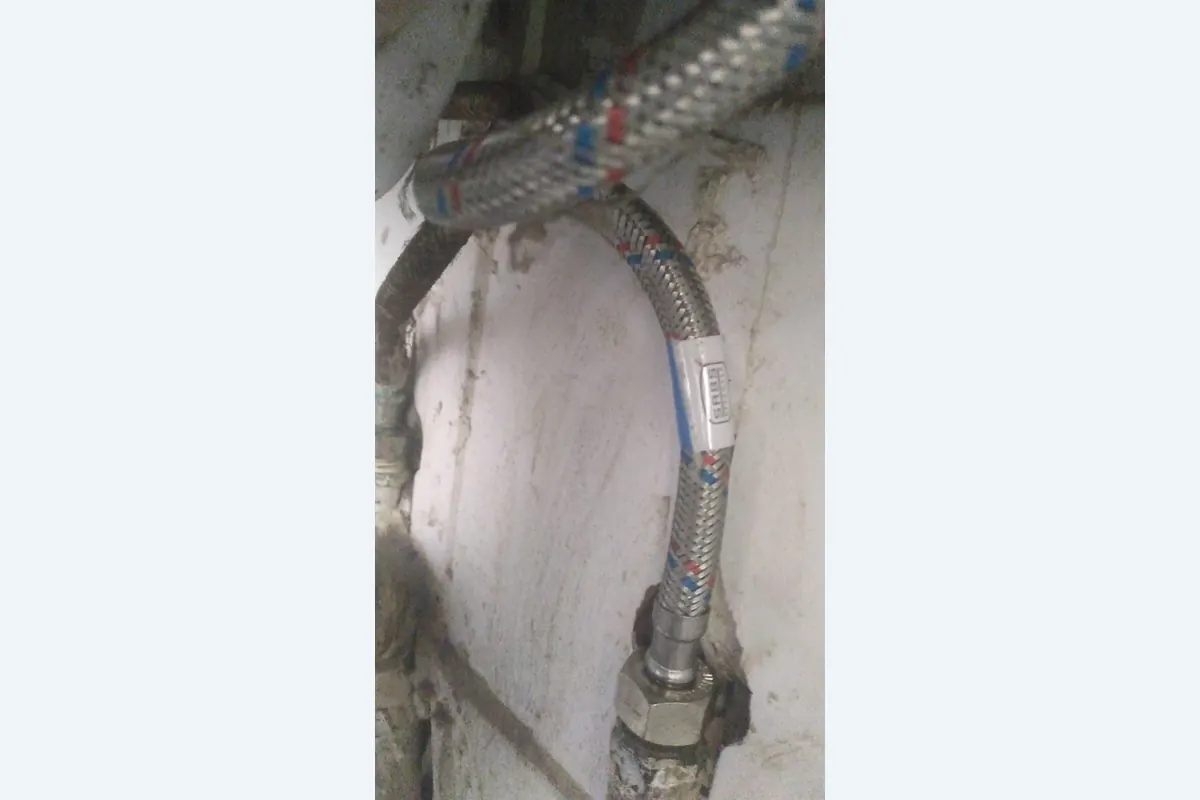
Should I Repair or Replace My Geyser?

High-value plumbing guide #5

Should I Repair or Replace My Geyser?

Customers often ask whether another repair is worth it or whether replacement is more sensible. This guide explains how age, tank leaks, recurring valve failures, rusty water, poor pressure, electrical trips, insurance requirements and solar geyser options affect the decision.

Geyser repair or replacement decision after leaking ceiling sign

Why this plumbing question matters

A replacement decision should not be reduced to price alone. A customer needs to know whether the fault is a replaceable part, a compliance issue, pressure control problem, leaking tank, old installation or repeated symptom caused by the same underlying condition. The guide helps the visitor ask better questions before spending money.

Good plumbing advice should not leave a visitor with a thin answer like “call a plumber” or “buy a part”. A useful guide explains what the symptom may mean, what information helps the plumber, what should not be touched, and which service route is most sensible. That is why this article is written around the decision a real customer must make before water damage, wasted water or repeat call-outs become worse.

For homes, complexes and businesses, the same symptom can have different causes. A damp cupboard may be a trap leak, supply pipe leak, waste pipe leak, seal failure or water travelling from another point. A geyser drip may be expansion, valve failure, pressure imbalance or an overflow that is becoming urgent. A blocked toilet may be local to the pan or part of a deeper drain line. The aim is to help you describe the problem clearly so the right person, parts and diagnostic route can be chosen.

Visible clues

Signs to look for before guessing

These signs help separate a small observation from a plumbing fault that needs proper diagnosis.

The tank itself leaks or the ceiling below the geyser is stained.

Valves have been replaced repeatedly but the fault returns.

Hot water is rusty, smelly or inconsistent.

The geyser trips the power repeatedly or fails to heat reliably.

The installation is old, non-compliant or difficult to isolate safely.

Safe checks before you call

These checks are meant to improve the enquiry, not to turn the repair into a risky DIY job. If water is active, the ceiling is wet, the geyser tray is running, sewage is backing up or electrical areas are involved, call first and keep the area safe.

  • Confirm the geyser age if the label is readable.
  • Check whether the leak is from a pipe, valve, tray or tank.
  • Note whether the problem is new or repeated after previous repairs.
  • Ask whether a pressure control valve and drip tray are present and working.
  • Discuss solar geyser or backup options if replacement is likely.

Tip for faster help

Send one wide photo and one close photo. The wide photo shows the plumber the room, cupboard, paving, wall, roof access or drain location. The close photo shows the visible symptom. Together they help avoid wrong assumptions and make it easier to choose between emergency repair, leak detection, drain cleaning, geyser repair, a product enquiry or an area plumber.

Also mention your suburb, whether the water can be isolated, whether the issue is new or recurring, and whether a complex, landlord, body corporate, business manager or access guard must be involved.

When the problem needs a plumber instead of another guess

A plumbing fault becomes more serious when the same symptom keeps returning, water is still escaping, pressure changes suddenly, a ceiling or cupboard is wet, a drain backs up more than once, a geyser overflow keeps running, or the water meter moves even when fixtures are closed. In those cases, the correct next step is usually a diagnosis-led repair route rather than repeated temporary fixes.

For service planning, the best enquiry is practical: the visible symptom, the affected fixture, the suburb, access details and photos. For solar geyser or geyser problems, add when the water is cold or hot, whether the problem changes with weather, whether there is a controller or timer, and whether the overflow pipe is dripping. For drains and toilets, add whether more than one fixture is affected and whether an outside gully is overflowing.

Helpful answers

Frequently Asked Questions

Is this guide a replacement for a plumber?

No. This guide helps you understand the symptom, collect useful details and choose the right next step. Active leaks, overflowing drains, geyser overflows, sewage backups and water near electrical areas should be treated as urgent and handled by a qualified plumber.

What details should I send with my enquiry?

Send your suburb, the affected room or fixture, whether water is still running, whether the water can be isolated, one wide photo, one close photo and any access details such as gate codes, roof access, cupboards, paving, ceiling boards, landlord approval or body corporate rules.

When is this issue urgent?

It is urgent when water is actively escaping, a ceiling is wet, sewage is backing up, a toilet is overflowing, a geyser tray is filling, the water meter keeps moving with taps closed, the overflow pipe runs continuously or water is close to plugs, DB boards or appliances.

Can photos help before the plumber arrives?

Yes. A wide photo shows the plumber the room, cupboard, roof space, paving, boundary wall, drain position or access route. A close photo shows the visible fault, pipe material, valve, fitting, stain, overflow or blockage. Together they make it easier to prepare tools and parts before arrival.

Which service page should I open next?

Use leak detection when the source is hidden or the meter moves with taps closed. Use burst pipe repairs when water is escaping from a supply line. Use blocked drain cleaning when waste water backs up or drains slowly. Use geyser repairs for overflow, pressure valve, thermostat or hot-water issues.

What should I avoid doing before help arrives?

Avoid breaking walls, lifting paving, forcing valves, using repeated drain chemicals, opening geyser covers or touching electrical parts. The safest first step is to isolate water if possible, keep people away from wet electrical areas and send clear information for diagnosis.

Why can the visible water be far away from the real leak?

Water often travels along pipes, walls, ceilings, cupboards, slab edges or paving before it becomes visible. A stain in one room can come from a pipe above, a nearby bathroom, a roof space, a geyser tray or a hidden line. That is why guessing from one wet patch can be misleading.

How does access change the repair route?

Access can decide whether the plumber can repair directly or needs a different route. Cupboards, tiles, ceilings, paving, boundary walls, ducts, roof spaces, apartments, estates and commercial buildings can all affect time, tools, parts and whether approval is needed before opening anything.

Why does the same fault keep coming back?

A recurring fault often means the first symptom was treated but the cause was not solved. Repeated blockages can involve roots, poor pipe fall, damaged pipework or shared drains. Repeated geyser overflow can involve pressure control or valve issues. Repeated damp patches can mean a hidden leak still exists.

Can I buy a part first and then book installation?

Sometimes, yes, but pressure parts, geyser valves, mixer fittings, waste traps, flexi connectors and pipe fittings must match the system correctly. If thread size, rating, pipe material or access is uncertain, send photos first so the wrong part is not purchased.

What makes solar geyser questions different?

Solar geyser problems often depend on timing, weather, controller settings, backup element use, insulation, circulation, non-return valves and household hot-water demand. Mention whether water is hot in the day, cold in the morning, affected by cloudy weather or linked to a visible controller or timer.

What if this happens in a complex, estate or apartment?

Mention the body corporate, managing agent, landlord, security access, shared stacks, common property areas and whether other units are affected. This helps separate a private fixture fault from a shared drainage, supply, pressure or access issue.

How can I reduce the risk of extra damage while waiting?

Keep the area clear, move valuables away from water, place a bucket under a safe drip point if practical, avoid standing in water near electricity, isolate the closest valve if it turns easily, and phone the emergency line when water is still running or sewage is involved.

Why does this guide mention several possible causes instead of one answer?

Plumbing symptoms can look similar even when the cause is different. A leaking cupboard may be a trap, supply pipe, mixer, waste pipe or seal. A cold geyser may be an element, thermostat, timer, valve or solar circulation issue. Good diagnosis starts by narrowing the possibilities safely.

What is the best next step for repairing or replacing a geyser?

The best next step is to match the visible symptom to the correct route: emergency call for active damage, leak detection for hidden water loss, drain cleaning for backups, geyser repair for hot-water and overflow faults, or product guidance when the issue is mainly a part or fitting question.

Why Does My Solar Geyser Have Hot Water During the Day but Cold Water in the Morning?

High-value plumbing guide #4

Why Does My Solar Geyser Have Hot Water During the Day but Cold Water in the Morning?

A solar geyser that works during the day but loses heat overnight can point to heat loss, timer settings, poor insulation, non-return valve problems, mixing valve issues, circulation faults or backup element timing. This article helps visitors describe the pattern clearly so the right repair path is chosen.

Solar geyser overnight heat loss and plumbing valve guidance

Why this plumbing question matters

This is a powerful search because the customer has a specific repeated symptom. The system is not completely dead, which means the diagnosis must be careful. A useful guide should explain that the timing of the cold water matters: early morning, after high use, after cloudy days, after loadshedding, or after a thermostat/timer change.

Good plumbing advice should not leave a visitor with a thin answer like “call a plumber” or “buy a part”. A useful guide explains what the symptom may mean, what information helps the plumber, what should not be touched, and which service route is most sensible. That is why this article is written around the decision a real customer must make before water damage, wasted water or repeat call-outs become worse.

For homes, complexes and businesses, the same symptom can have different causes. A damp cupboard may be a trap leak, supply pipe leak, waste pipe leak, seal failure or water travelling from another point. A geyser drip may be expansion, valve failure, pressure imbalance or an overflow that is becoming urgent. A blocked toilet may be local to the pan or part of a deeper drain line. The aim is to help you describe the problem clearly so the right person, parts and diagnostic route can be chosen.

Visible clues

Signs to look for before guessing

These signs help separate a small observation from a plumbing fault that needs proper diagnosis.

Water is hot in the afternoon but cold or lukewarm before morning showers.

The issue is worse in winter, after cloudy weather or after high evening use.

The backup element seems to run at the wrong time or not long enough.

Hot water pipes lose heat quickly because exposed insulation is missing or damaged.

A valve or circulation issue may allow heat to move where it should not.

Safe checks before you call

These checks are meant to improve the enquiry, not to turn the repair into a risky DIY job. If water is active, the ceiling is wet, the geyser tray is running, sewage is backing up or electrical areas are involved, call first and keep the area safe.

  • Record the time of day when the water is hottest and coldest.
  • Check whether the controller or timer schedule was changed recently.
  • Note the number of people using hot water each evening.
  • Look for exposed or damaged pipe insulation without climbing unsafely.
  • Send photos of the controller, geyser area and visible pipework if accessible.

Tip for faster help

Send one wide photo and one close photo. The wide photo shows the plumber the room, cupboard, paving, wall, roof access or drain location. The close photo shows the visible symptom. Together they help avoid wrong assumptions and make it easier to choose between emergency repair, leak detection, drain cleaning, geyser repair, a product enquiry or an area plumber.

Also mention your suburb, whether the water can be isolated, whether the issue is new or recurring, and whether a complex, landlord, body corporate, business manager or access guard must be involved.

When the problem needs a plumber instead of another guess

A plumbing fault becomes more serious when the same symptom keeps returning, water is still escaping, pressure changes suddenly, a ceiling or cupboard is wet, a drain backs up more than once, a geyser overflow keeps running, or the water meter moves even when fixtures are closed. In those cases, the correct next step is usually a diagnosis-led repair route rather than repeated temporary fixes.

For service planning, the best enquiry is practical: the visible symptom, the affected fixture, the suburb, access details and photos. For solar geyser or geyser problems, add when the water is cold or hot, whether the problem changes with weather, whether there is a controller or timer, and whether the overflow pipe is dripping. For drains and toilets, add whether more than one fixture is affected and whether an outside gully is overflowing.

Helpful answers

Frequently Asked Questions

Is this guide a replacement for a plumber?

No. This guide helps you understand the symptom, collect useful details and choose the right next step. Active leaks, overflowing drains, geyser overflows, sewage backups and water near electrical areas should be treated as urgent and handled by a qualified plumber.

What details should I send with my enquiry?

Send your suburb, the affected room or fixture, whether water is still running, whether the water can be isolated, one wide photo, one close photo and any access details such as gate codes, roof access, cupboards, paving, ceiling boards, landlord approval or body corporate rules.

When is this issue urgent?

It is urgent when water is actively escaping, a ceiling is wet, sewage is backing up, a toilet is overflowing, a geyser tray is filling, the water meter keeps moving with taps closed, the overflow pipe runs continuously or water is close to plugs, DB boards or appliances.

Can photos help before the plumber arrives?

Yes. A wide photo shows the plumber the room, cupboard, roof space, paving, boundary wall, drain position or access route. A close photo shows the visible fault, pipe material, valve, fitting, stain, overflow or blockage. Together they make it easier to prepare tools and parts before arrival.

Which service page should I open next?

Use leak detection when the source is hidden or the meter moves with taps closed. Use burst pipe repairs when water is escaping from a supply line. Use blocked drain cleaning when waste water backs up or drains slowly. Use geyser repairs for overflow, pressure valve, thermostat or hot-water issues.

What should I avoid doing before help arrives?

Avoid breaking walls, lifting paving, forcing valves, using repeated drain chemicals, opening geyser covers or touching electrical parts. The safest first step is to isolate water if possible, keep people away from wet electrical areas and send clear information for diagnosis.

Why can the visible water be far away from the real leak?

Water often travels along pipes, walls, ceilings, cupboards, slab edges or paving before it becomes visible. A stain in one room can come from a pipe above, a nearby bathroom, a roof space, a geyser tray or a hidden line. That is why guessing from one wet patch can be misleading.

How does access change the repair route?

Access can decide whether the plumber can repair directly or needs a different route. Cupboards, tiles, ceilings, paving, boundary walls, ducts, roof spaces, apartments, estates and commercial buildings can all affect time, tools, parts and whether approval is needed before opening anything.

Why does the same fault keep coming back?

A recurring fault often means the first symptom was treated but the cause was not solved. Repeated blockages can involve roots, poor pipe fall, damaged pipework or shared drains. Repeated geyser overflow can involve pressure control or valve issues. Repeated damp patches can mean a hidden leak still exists.

Can I buy a part first and then book installation?

Sometimes, yes, but pressure parts, geyser valves, mixer fittings, waste traps, flexi connectors and pipe fittings must match the system correctly. If thread size, rating, pipe material or access is uncertain, send photos first so the wrong part is not purchased.

What makes solar geyser questions different?

Solar geyser problems often depend on timing, weather, controller settings, backup element use, insulation, circulation, non-return valves and household hot-water demand. Mention whether water is hot in the day, cold in the morning, affected by cloudy weather or linked to a visible controller or timer.

What if this happens in a complex, estate or apartment?

Mention the body corporate, managing agent, landlord, security access, shared stacks, common property areas and whether other units are affected. This helps separate a private fixture fault from a shared drainage, supply, pressure or access issue.

How can I reduce the risk of extra damage while waiting?

Keep the area clear, move valuables away from water, place a bucket under a safe drip point if practical, avoid standing in water near electricity, isolate the closest valve if it turns easily, and phone the emergency line when water is still running or sewage is involved.

Why does this guide mention several possible causes instead of one answer?

Plumbing symptoms can look similar even when the cause is different. A leaking cupboard may be a trap, supply pipe, mixer, waste pipe or seal. A cold geyser may be an element, thermostat, timer, valve or solar circulation issue. Good diagnosis starts by narrowing the possibilities safely.

What is the best next step for solar geyser hot in the day but cold in the morning?

The best next step is to match the visible symptom to the correct route: emergency call for active damage, leak detection for hidden water loss, drain cleaning for backups, geyser repair for hot-water and overflow faults, or product guidance when the issue is mainly a part or fitting question.

Solar Geyser Not Heating Water Properly: What Should I Check First?

High-value plumbing guide #3

Solar Geyser Not Heating Water Properly: What Should I Check First?

A solar geyser that is not heating properly can be affected by weather, controller settings, pump circulation, sensors, backup element timing, insulation, mixing valves or an undersized system. This guide explains the safe customer observations that help a plumber or solar geyser technician route the fault faster.

Solar geyser hot water problem and plumbing inspection guidance

Why this plumbing question matters

Solar geyser pages often become vague because they do not separate plumbing, solar circulation and electrical backup symptoms. The visitor needs to know what information matters before help is booked: when the water is cold, whether there is backup heating, whether the problem happens only after cloudy days, and whether the system has recently been serviced or reset.

Good plumbing advice should not leave a visitor with a thin answer like “call a plumber” or “buy a part”. A useful guide explains what the symptom may mean, what information helps the plumber, what should not be touched, and which service route is most sensible. That is why this article is written around the decision a real customer must make before water damage, wasted water or repeat call-outs become worse.

For homes, complexes and businesses, the same symptom can have different causes. A damp cupboard may be a trap leak, supply pipe leak, waste pipe leak, seal failure or water travelling from another point. A geyser drip may be expansion, valve failure, pressure imbalance or an overflow that is becoming urgent. A blocked toilet may be local to the pan or part of a deeper drain line. The aim is to help you describe the problem clearly so the right person, parts and diagnostic route can be chosen.

Visible clues

Signs to look for before guessing

These signs help separate a small observation from a plumbing fault that needs proper diagnosis.

Water is warm but never hot enough for normal use.

The system heats during sunny periods but not after cloudy days.

The backup element does not seem to recover hot water overnight.

The controller shows an error, unusual reading or no circulation activity.

Hot water is available at one time of day but disappears sooner than expected.

Safe checks before you call

These checks are meant to improve the enquiry, not to turn the repair into a risky DIY job. If water is active, the ceiling is wet, the geyser tray is running, sewage is backing up or electrical areas are involved, call first and keep the area safe.

  • Note whether the problem happens every day or only after cloudy weather.
  • Check whether the timer or controller display has changed, without opening electrical parts.
  • Confirm the household size and whether hot water demand has recently increased.
  • Look for visible pipe insulation damage around exposed hot water lines.
  • Take a photo of the controller screen and the system label if safe and accessible.

Tip for faster help

Send one wide photo and one close photo. The wide photo shows the plumber the room, cupboard, paving, wall, roof access or drain location. The close photo shows the visible symptom. Together they help avoid wrong assumptions and make it easier to choose between emergency repair, leak detection, drain cleaning, geyser repair, a product enquiry or an area plumber.

Also mention your suburb, whether the water can be isolated, whether the issue is new or recurring, and whether a complex, landlord, body corporate, business manager or access guard must be involved.

When the problem needs a plumber instead of another guess

A plumbing fault becomes more serious when the same symptom keeps returning, water is still escaping, pressure changes suddenly, a ceiling or cupboard is wet, a drain backs up more than once, a geyser overflow keeps running, or the water meter moves even when fixtures are closed. In those cases, the correct next step is usually a diagnosis-led repair route rather than repeated temporary fixes.

For service planning, the best enquiry is practical: the visible symptom, the affected fixture, the suburb, access details and photos. For solar geyser or geyser problems, add when the water is cold or hot, whether the problem changes with weather, whether there is a controller or timer, and whether the overflow pipe is dripping. For drains and toilets, add whether more than one fixture is affected and whether an outside gully is overflowing.

Helpful answers

Frequently Asked Questions

Is this guide a replacement for a plumber?

No. This guide helps you understand the symptom, collect useful details and choose the right next step. Active leaks, overflowing drains, geyser overflows, sewage backups and water near electrical areas should be treated as urgent and handled by a qualified plumber.

What details should I send with my enquiry?

Send your suburb, the affected room or fixture, whether water is still running, whether the water can be isolated, one wide photo, one close photo and any access details such as gate codes, roof access, cupboards, paving, ceiling boards, landlord approval or body corporate rules.

When is this issue urgent?

It is urgent when water is actively escaping, a ceiling is wet, sewage is backing up, a toilet is overflowing, a geyser tray is filling, the water meter keeps moving with taps closed, the overflow pipe runs continuously or water is close to plugs, DB boards or appliances.

Can photos help before the plumber arrives?

Yes. A wide photo shows the plumber the room, cupboard, roof space, paving, boundary wall, drain position or access route. A close photo shows the visible fault, pipe material, valve, fitting, stain, overflow or blockage. Together they make it easier to prepare tools and parts before arrival.

Which service page should I open next?

Use leak detection when the source is hidden or the meter moves with taps closed. Use burst pipe repairs when water is escaping from a supply line. Use blocked drain cleaning when waste water backs up or drains slowly. Use geyser repairs for overflow, pressure valve, thermostat or hot-water issues.

What should I avoid doing before help arrives?

Avoid breaking walls, lifting paving, forcing valves, using repeated drain chemicals, opening geyser covers or touching electrical parts. The safest first step is to isolate water if possible, keep people away from wet electrical areas and send clear information for diagnosis.

Why can the visible water be far away from the real leak?

Water often travels along pipes, walls, ceilings, cupboards, slab edges or paving before it becomes visible. A stain in one room can come from a pipe above, a nearby bathroom, a roof space, a geyser tray or a hidden line. That is why guessing from one wet patch can be misleading.

How does access change the repair route?

Access can decide whether the plumber can repair directly or needs a different route. Cupboards, tiles, ceilings, paving, boundary walls, ducts, roof spaces, apartments, estates and commercial buildings can all affect time, tools, parts and whether approval is needed before opening anything.

Why does the same fault keep coming back?

A recurring fault often means the first symptom was treated but the cause was not solved. Repeated blockages can involve roots, poor pipe fall, damaged pipework or shared drains. Repeated geyser overflow can involve pressure control or valve issues. Repeated damp patches can mean a hidden leak still exists.

Can I buy a part first and then book installation?

Sometimes, yes, but pressure parts, geyser valves, mixer fittings, waste traps, flexi connectors and pipe fittings must match the system correctly. If thread size, rating, pipe material or access is uncertain, send photos first so the wrong part is not purchased.

What makes solar geyser questions different?

Solar geyser problems often depend on timing, weather, controller settings, backup element use, insulation, circulation, non-return valves and household hot-water demand. Mention whether water is hot in the day, cold in the morning, affected by cloudy weather or linked to a visible controller or timer.

What if this happens in a complex, estate or apartment?

Mention the body corporate, managing agent, landlord, security access, shared stacks, common property areas and whether other units are affected. This helps separate a private fixture fault from a shared drainage, supply, pressure or access issue.

How can I reduce the risk of extra damage while waiting?

Keep the area clear, move valuables away from water, place a bucket under a safe drip point if practical, avoid standing in water near electricity, isolate the closest valve if it turns easily, and phone the emergency line when water is still running or sewage is involved.

Why does this guide mention several possible causes instead of one answer?

Plumbing symptoms can look similar even when the cause is different. A leaking cupboard may be a trap, supply pipe, mixer, waste pipe or seal. A cold geyser may be an element, thermostat, timer, valve or solar circulation issue. Good diagnosis starts by narrowing the possibilities safely.

What is the best next step for solar geyser not heating water?

The best next step is to match the visible symptom to the correct route: emergency call for active damage, leak detection for hidden water loss, drain cleaning for backups, geyser repair for hot-water and overflow faults, or product guidance when the issue is mainly a part or fitting question.

Why Is Water Coming Out of My Geyser Overflow Pipe?

High-value plumbing guide #2

Why Is Water Coming Out of My Geyser Overflow Pipe?

A geyser overflow pipe can drip for more than one reason. Some water may be normal expansion, but constant running, a wet ceiling, a full drip tray or water near electrical points should be treated seriously. This guide helps customers understand the difference between a small warning sign and an urgent geyser repair.

Geyser overflow and ceiling leak warning sign for plumbing repair

Why this plumbing question matters

Most geyser articles are too shallow because they simply say the valve may be faulty. A helpful guide should explain pressure, expansion control, safety valves, drip trays, thermostats, elements, discharge pipes and when the geyser system should not be touched by the homeowner. The visitor needs practical observation, not risky DIY steps.

Good plumbing advice should not leave a visitor with a thin answer like “call a plumber” or “buy a part”. A useful guide explains what the symptom may mean, what information helps the plumber, what should not be touched, and which service route is most sensible. That is why this article is written around the decision a real customer must make before water damage, wasted water or repeat call-outs become worse.

For homes, complexes and businesses, the same symptom can have different causes. A damp cupboard may be a trap leak, supply pipe leak, waste pipe leak, seal failure or water travelling from another point. A geyser drip may be expansion, valve failure, pressure imbalance or an overflow that is becoming urgent. A blocked toilet may be local to the pan or part of a deeper drain line. The aim is to help you describe the problem clearly so the right person, parts and diagnostic route can be chosen.

Visible clues

Signs to look for before guessing

These signs help separate a small observation from a plumbing fault that needs proper diagnosis.

The overflow pipe drips constantly rather than only occasionally.

Water is visible in the geyser tray or ceiling stain.

Hot water is inconsistent, too hot, too cold or runs out quickly.

The electrical breaker trips when the geyser heats.

The discharge line runs outside where the customer can see steady water.

Safe checks before you call

These checks are meant to improve the enquiry, not to turn the repair into a risky DIY job. If water is active, the ceiling is wet, the geyser tray is running, sewage is backing up or electrical areas are involved, call first and keep the area safe.

  • Look where the overflow pipe discharges and note whether the drip is occasional or constant.
  • Check for ceiling stains, wet insulation, bubbling paint or water near lights.
  • Do not remove electrical covers or work on thermostat wiring.
  • Take photos of the discharge point, the geyser tray if visible and the ceiling mark.
  • Call if the tray is filling, the ceiling is wet or water is near electrical points.

Tip for faster help

Send one wide photo and one close photo. The wide photo shows the plumber the room, cupboard, paving, wall, roof access or drain location. The close photo shows the visible symptom. Together they help avoid wrong assumptions and make it easier to choose between emergency repair, leak detection, drain cleaning, geyser repair, a product enquiry or an area plumber.

Also mention your suburb, whether the water can be isolated, whether the issue is new or recurring, and whether a complex, landlord, body corporate, business manager or access guard must be involved.

When the problem needs a plumber instead of another guess

A plumbing fault becomes more serious when the same symptom keeps returning, water is still escaping, pressure changes suddenly, a ceiling or cupboard is wet, a drain backs up more than once, a geyser overflow keeps running, or the water meter moves even when fixtures are closed. In those cases, the correct next step is usually a diagnosis-led repair route rather than repeated temporary fixes.

For service planning, the best enquiry is practical: the visible symptom, the affected fixture, the suburb, access details and photos. For solar geyser or geyser problems, add when the water is cold or hot, whether the problem changes with weather, whether there is a controller or timer, and whether the overflow pipe is dripping. For drains and toilets, add whether more than one fixture is affected and whether an outside gully is overflowing.

Helpful answers

Frequently Asked Questions

Is this guide a replacement for a plumber?

No. This guide helps you understand the symptom, collect useful details and choose the right next step. Active leaks, overflowing drains, geyser overflows, sewage backups and water near electrical areas should be treated as urgent and handled by a qualified plumber.

What details should I send with my enquiry?

Send your suburb, the affected room or fixture, whether water is still running, whether the water can be isolated, one wide photo, one close photo and any access details such as gate codes, roof access, cupboards, paving, ceiling boards, landlord approval or body corporate rules.

When is this issue urgent?

It is urgent when water is actively escaping, a ceiling is wet, sewage is backing up, a toilet is overflowing, a geyser tray is filling, the water meter keeps moving with taps closed, the overflow pipe runs continuously or water is close to plugs, DB boards or appliances.

Can photos help before the plumber arrives?

Yes. A wide photo shows the plumber the room, cupboard, roof space, paving, boundary wall, drain position or access route. A close photo shows the visible fault, pipe material, valve, fitting, stain, overflow or blockage. Together they make it easier to prepare tools and parts before arrival.

Which service page should I open next?

Use leak detection when the source is hidden or the meter moves with taps closed. Use burst pipe repairs when water is escaping from a supply line. Use blocked drain cleaning when waste water backs up or drains slowly. Use geyser repairs for overflow, pressure valve, thermostat or hot-water issues.

What should I avoid doing before help arrives?

Avoid breaking walls, lifting paving, forcing valves, using repeated drain chemicals, opening geyser covers or touching electrical parts. The safest first step is to isolate water if possible, keep people away from wet electrical areas and send clear information for diagnosis.

Why can the visible water be far away from the real leak?

Water often travels along pipes, walls, ceilings, cupboards, slab edges or paving before it becomes visible. A stain in one room can come from a pipe above, a nearby bathroom, a roof space, a geyser tray or a hidden line. That is why guessing from one wet patch can be misleading.

How does access change the repair route?

Access can decide whether the plumber can repair directly or needs a different route. Cupboards, tiles, ceilings, paving, boundary walls, ducts, roof spaces, apartments, estates and commercial buildings can all affect time, tools, parts and whether approval is needed before opening anything.

Why does the same fault keep coming back?

A recurring fault often means the first symptom was treated but the cause was not solved. Repeated blockages can involve roots, poor pipe fall, damaged pipework or shared drains. Repeated geyser overflow can involve pressure control or valve issues. Repeated damp patches can mean a hidden leak still exists.

Can I buy a part first and then book installation?

Sometimes, yes, but pressure parts, geyser valves, mixer fittings, waste traps, flexi connectors and pipe fittings must match the system correctly. If thread size, rating, pipe material or access is uncertain, send photos first so the wrong part is not purchased.

What makes solar geyser questions different?

Solar geyser problems often depend on timing, weather, controller settings, backup element use, insulation, circulation, non-return valves and household hot-water demand. Mention whether water is hot in the day, cold in the morning, affected by cloudy weather or linked to a visible controller or timer.

What if this happens in a complex, estate or apartment?

Mention the body corporate, managing agent, landlord, security access, shared stacks, common property areas and whether other units are affected. This helps separate a private fixture fault from a shared drainage, supply, pressure or access issue.

How can I reduce the risk of extra damage while waiting?

Keep the area clear, move valuables away from water, place a bucket under a safe drip point if practical, avoid standing in water near electricity, isolate the closest valve if it turns easily, and phone the emergency line when water is still running or sewage is involved.

Why does this guide mention several possible causes instead of one answer?

Plumbing symptoms can look similar even when the cause is different. A leaking cupboard may be a trap, supply pipe, mixer, waste pipe or seal. A cold geyser may be an element, thermostat, timer, valve or solar circulation issue. Good diagnosis starts by narrowing the possibilities safely.

What is the best next step for geyser overflow pipe water?

The best next step is to match the visible symptom to the correct route: emergency call for active damage, leak detection for hidden water loss, drain cleaning for backups, geyser repair for hot-water and overflow faults, or product guidance when the issue is mainly a part or fitting question.

Why Is My Water Meter Still Moving When All Taps Are Closed?

High-value plumbing guide #1

Why Is My Water Meter Still Moving When All Taps Are Closed?

A moving water meter with every tap closed is one of the clearest warning signs that water may still be escaping somewhere on the property. The leak might be a running toilet, a hidden pipe leak, an irrigation fault, a geyser valve issue or a pipe under paving. This guide helps the visitor separate the likely causes before guessing.

Water leak detection clue for a moving water meter when taps are closed

Why this plumbing question matters

The reason this topic deserves the first position is simple: a customer who searches this is already worried about wasted water or hidden damage. It is not a casual search. It is a real decision moment. The guide explains what the meter movement may mean, what safe observations can be made, why the leak is not always where the damp mark appears, and when leak detection or burst pipe repair becomes the correct next step.

Good plumbing advice should not leave a visitor with a thin answer like “call a plumber” or “buy a part”. A useful guide explains what the symptom may mean, what information helps the plumber, what should not be touched, and which service route is most sensible. That is why this article is written around the decision a real customer must make before water damage, wasted water or repeat call-outs become worse.

For homes, complexes and businesses, the same symptom can have different causes. A damp cupboard may be a trap leak, supply pipe leak, waste pipe leak, seal failure or water travelling from another point. A geyser drip may be expansion, valve failure, pressure imbalance or an overflow that is becoming urgent. A blocked toilet may be local to the pan or part of a deeper drain line. The aim is to help you describe the problem clearly so the right person, parts and diagnostic route can be chosen.

Visible clues

Signs to look for before guessing

These signs help separate a small observation from a plumbing fault that needs proper diagnosis.

The meter dial or small leak indicator moves while every tap, toilet, washing machine, dishwasher and irrigation point is off.

The water account increases without a clear change in use.

A patch of paving, lawn, cupboard base or wall stays damp after dry weather.

Pressure feels weaker at some fixtures, or a pump cycles when nobody is using water.

A toilet cistern quietly refills or a geyser overflow pipe drips more than expected.

Safe checks before you call

These checks are meant to improve the enquiry, not to turn the repair into a risky DIY job. If water is active, the ceiling is wet, the geyser tray is running, sewage is backing up or electrical areas are involved, call first and keep the area safe.

  • Close the obvious fixtures and check the meter again after a few minutes.
  • Listen near toilets and geyser valves for slow running water.
  • Look for damp soil, wet paving edges, staining under sinks and ceiling marks.
  • Take a clear meter photo and a second photo ten to fifteen minutes later if it is safe to wait.
  • Do not open paving, walls or cupboards before the leak route has been narrowed down.

Tip for faster help

Send one wide photo and one close photo. The wide photo shows the plumber the room, cupboard, paving, wall, roof access or drain location. The close photo shows the visible symptom. Together they help avoid wrong assumptions and make it easier to choose between emergency repair, leak detection, drain cleaning, geyser repair, a product enquiry or an area plumber.

Also mention your suburb, whether the water can be isolated, whether the issue is new or recurring, and whether a complex, landlord, body corporate, business manager or access guard must be involved.

When the problem needs a plumber instead of another guess

A plumbing fault becomes more serious when the same symptom keeps returning, water is still escaping, pressure changes suddenly, a ceiling or cupboard is wet, a drain backs up more than once, a geyser overflow keeps running, or the water meter moves even when fixtures are closed. In those cases, the correct next step is usually a diagnosis-led repair route rather than repeated temporary fixes.

For service planning, the best enquiry is practical: the visible symptom, the affected fixture, the suburb, access details and photos. For solar geyser or geyser problems, add when the water is cold or hot, whether the problem changes with weather, whether there is a controller or timer, and whether the overflow pipe is dripping. For drains and toilets, add whether more than one fixture is affected and whether an outside gully is overflowing.

Helpful answers

Frequently Asked Questions

Is this guide a replacement for a plumber?

No. This guide helps you understand the symptom, collect useful details and choose the right next step. Active leaks, overflowing drains, geyser overflows, sewage backups and water near electrical areas should be treated as urgent and handled by a qualified plumber.

What details should I send with my enquiry?

Send your suburb, the affected room or fixture, whether water is still running, whether the water can be isolated, one wide photo, one close photo and any access details such as gate codes, roof access, cupboards, paving, ceiling boards, landlord approval or body corporate rules.

When is this issue urgent?

It is urgent when water is actively escaping, a ceiling is wet, sewage is backing up, a toilet is overflowing, a geyser tray is filling, the water meter keeps moving with taps closed, the overflow pipe runs continuously or water is close to plugs, DB boards or appliances.

Can photos help before the plumber arrives?

Yes. A wide photo shows the plumber the room, cupboard, roof space, paving, boundary wall, drain position or access route. A close photo shows the visible fault, pipe material, valve, fitting, stain, overflow or blockage. Together they make it easier to prepare tools and parts before arrival.

Which service page should I open next?

Use leak detection when the source is hidden or the meter moves with taps closed. Use burst pipe repairs when water is escaping from a supply line. Use blocked drain cleaning when waste water backs up or drains slowly. Use geyser repairs for overflow, pressure valve, thermostat or hot-water issues.

What should I avoid doing before help arrives?

Avoid breaking walls, lifting paving, forcing valves, using repeated drain chemicals, opening geyser covers or touching electrical parts. The safest first step is to isolate water if possible, keep people away from wet electrical areas and send clear information for diagnosis.

Why can the visible water be far away from the real leak?

Water often travels along pipes, walls, ceilings, cupboards, slab edges or paving before it becomes visible. A stain in one room can come from a pipe above, a nearby bathroom, a roof space, a geyser tray or a hidden line. That is why guessing from one wet patch can be misleading.

How does access change the repair route?

Access can decide whether the plumber can repair directly or needs a different route. Cupboards, tiles, ceilings, paving, boundary walls, ducts, roof spaces, apartments, estates and commercial buildings can all affect time, tools, parts and whether approval is needed before opening anything.

Why does the same fault keep coming back?

A recurring fault often means the first symptom was treated but the cause was not solved. Repeated blockages can involve roots, poor pipe fall, damaged pipework or shared drains. Repeated geyser overflow can involve pressure control or valve issues. Repeated damp patches can mean a hidden leak still exists.

Can I buy a part first and then book installation?

Sometimes, yes, but pressure parts, geyser valves, mixer fittings, waste traps, flexi connectors and pipe fittings must match the system correctly. If thread size, rating, pipe material or access is uncertain, send photos first so the wrong part is not purchased.

What makes solar geyser questions different?

Solar geyser problems often depend on timing, weather, controller settings, backup element use, insulation, circulation, non-return valves and household hot-water demand. Mention whether water is hot in the day, cold in the morning, affected by cloudy weather or linked to a visible controller or timer.

What if this happens in a complex, estate or apartment?

Mention the body corporate, managing agent, landlord, security access, shared stacks, common property areas and whether other units are affected. This helps separate a private fixture fault from a shared drainage, supply, pressure or access issue.

How can I reduce the risk of extra damage while waiting?

Keep the area clear, move valuables away from water, place a bucket under a safe drip point if practical, avoid standing in water near electricity, isolate the closest valve if it turns easily, and phone the emergency line when water is still running or sewage is involved.

Why does this guide mention several possible causes instead of one answer?

Plumbing symptoms can look similar even when the cause is different. A leaking cupboard may be a trap, supply pipe, mixer, waste pipe or seal. A cold geyser may be an element, thermostat, timer, valve or solar circulation issue. Good diagnosis starts by narrowing the possibilities safely.

What is the best next step for a moving water meter with taps closed?

The best next step is to match the visible symptom to the correct route: emergency call for active damage, leak detection for hidden water loss, drain cleaning for backups, geyser repair for hot-water and overflow faults, or product guidance when the issue is mainly a part or fitting question.

Call EmergencyWhatsApp
WhatsApp