When a drain blocks, the most useful first step is to understand whether the blockage is local, branch-line, outside drain, sewer-related or recurring. This guide explains symptoms, safe behaviour, access points, clearing routes, testing and when a camera inspection is the better next step.
Reading the symptoms before clearing starts
A drain blockage tells a story through water behaviour. A slow basin or shower may be local to the trap or waste line. A kitchen sink that gurgles, smells or backs up after washing can point to grease, food debris or a longer branch line. A toilet that rises and falls slowly may be local to the pan, but if outside gullies overflow or several fixtures gurgle together, the fault may be deeper in the drainage system. The customer does not need to diagnose everything, but these observations help the plumber choose the right access point.
The worst drain visits are the ones where everyone starts at the wrong end. If the outside inspection eye is overflowing, working only on the inside fixture may waste time. If the shower trap is full of hair and soap, calling it a sewer blockage may be overkill. If the same drain blocks every few weeks, simple clearing may not be enough because roots, broken pipe sections, belly in the line or poor fall can keep bringing the problem back.
- Tell the plumber which fixtures are slow or backing up.
- Check outside gullies and inspection eyes if safe.
- Stop using water that feeds the blocked route.
- Mention if the same drain has been cleared before.
Why access points matter
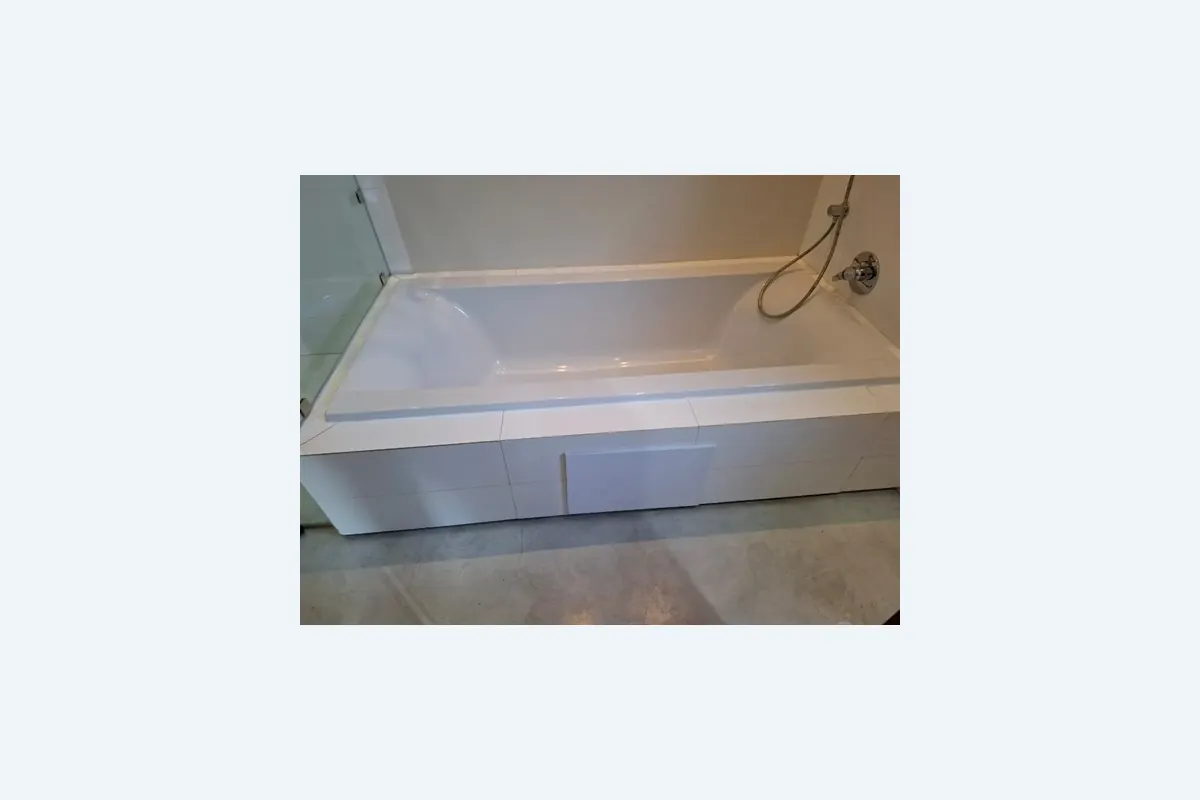
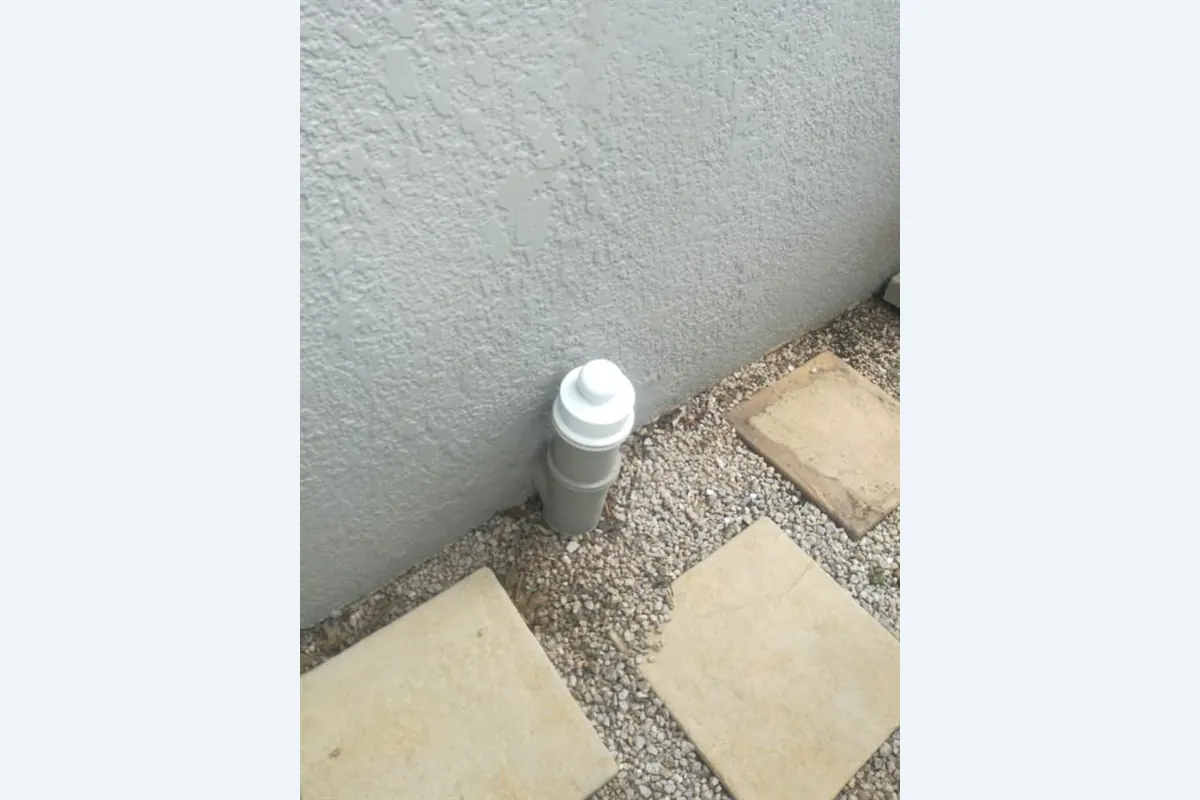
Drain cleaning depends heavily on access. A proper inspection eye, gully, rodding point or removable trap gives the plumber a controlled way into the line. When access is buried, broken, tiled over, inside a cupboard or hidden under paving, the job becomes slower and more uncertain. This is also why photos of the outside drain area are useful before arrival. A picture of the gully, yard, paving and nearest wall can help the team understand where the line may run and what tools may be needed.
Good clearing is not just pushing until water moves. The line should be opened with the right tool, obstruction should be moved without damaging joints, and the drain should be flushed under real flow. If debris can be recovered, it gives clues. Hair and soap suggest bathroom use. Grease suggests kitchen line care. Roots suggest pipe joints or cracks. Building rubble suggests renovation debris. Repeat blockage suggests the need for inspection rather than repeated emergency clearing only.
- Use existing inspection points before opening surfaces.
- Flush the line after clearing, not only after the first flow returns.
- Keep note of debris type because it explains prevention.
- Recommend camera inspection for repeat or unexplained blockages.
What customers should avoid
Strong drain chemicals are rarely the best first step for serious blockages. They can sit in the line, create splash risk for the person clearing the drain, damage old fittings and still fail to remove roots, cloth, wipes, scale, rubble or collapsed pipe problems. Repeated flushing can also turn a contained blockage into an overflow. The safest customer action is to stop feeding water into the blocked line, keep the area clear and explain what was used before the plumber arrives.
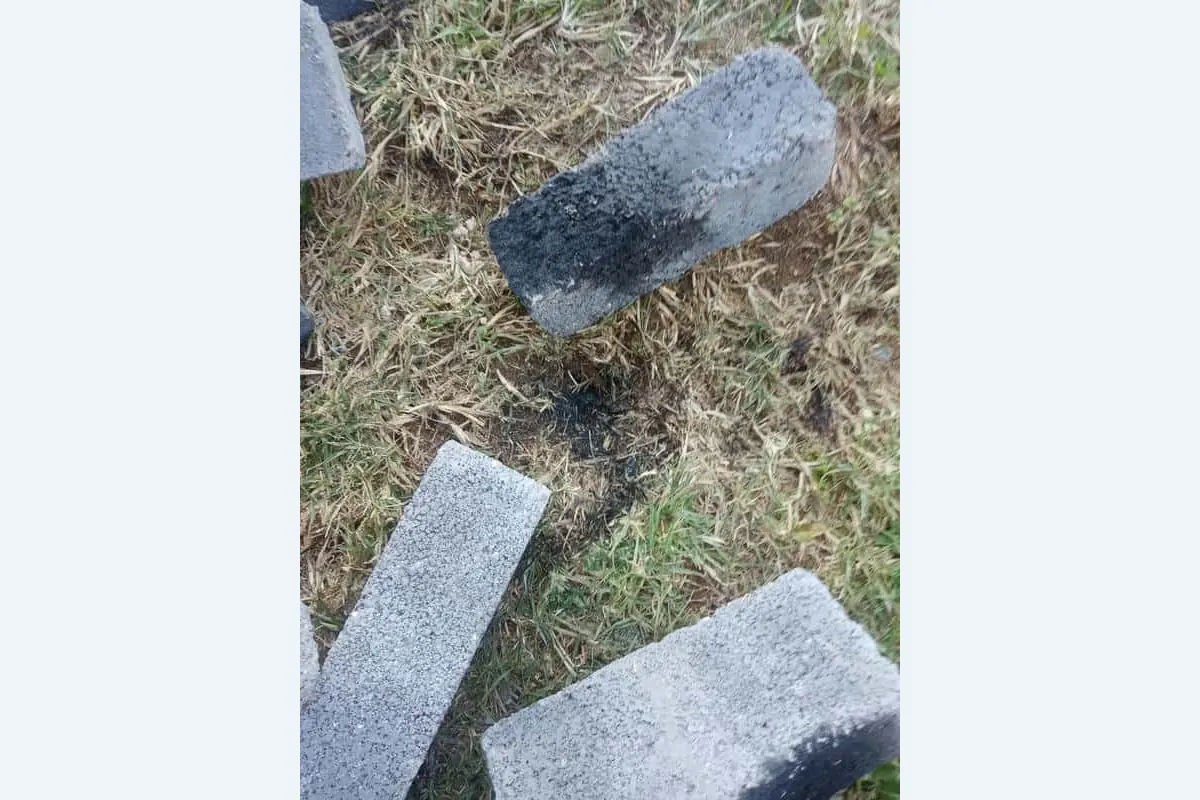
For outside sewer overflow, hygiene matters. Keep children and pets away, avoid walking contaminated water through the house, and do not try to lift heavy covers without safe footing. In complexes, one unit’s symptoms can come from a shared line, so neighbours, maintenance teams or body corporate access may need to be involved.
- Do not keep flushing a rising toilet.
- Do not mix drain chemicals.
- Do not force rods into fragile or unknown fittings.
- Do not ignore repeat blockages after temporary clearing.
Need help choosing the safest next step?
Send the suburb, photos, visible symptoms, access notes and whether the water or waste is still active. We can then help you decide whether the right route is urgent attendance, leak detection, drain clearing, geyser repair, a planned quote or the correct part matched to the system.
Call Emergency Line Email Photos For Help