When a plumbing emergency happens, the customer needs more than a phone number. This guide helps you reduce damage, explain the fault clearly, understand isolation, safety, photos, access, visible symptoms and when the problem should not wait.
What the customer should do in the first few minutes
The first few minutes of a plumbing emergency are about limiting damage, not doing the full repair. If clean water is running, the safest action is usually to close the nearest working isolation valve or the main stopcock. If waste water is backing up, the first action is normally to stop using fixtures that feed the same line. If a geyser tray is running or a ceiling mark is spreading, water and electricity must be treated carefully because hot water systems combine pressure, heat and electrical supply. The customer should move valuables away, keep children and pets clear of wet areas, and avoid standing in water near plugs or light fittings.
A useful emergency call gives the plumber a practical picture: suburb, property type, visible symptom, whether water is still flowing, whether the valve works, whether the issue is clean water or sewage, and whether the property is a house, flat, shop, office, estate or complex. This information can change the tools, parts and urgency of the visit. A leak behind a basin cupboard is not handled the same way as water entering a ceiling, and a blocked toilet in a single bathroom is not handled the same way as an outside sewer overflow.
- Close the correct valve only if it is safe and not seized.
- Do not open electrical covers or geyser components.
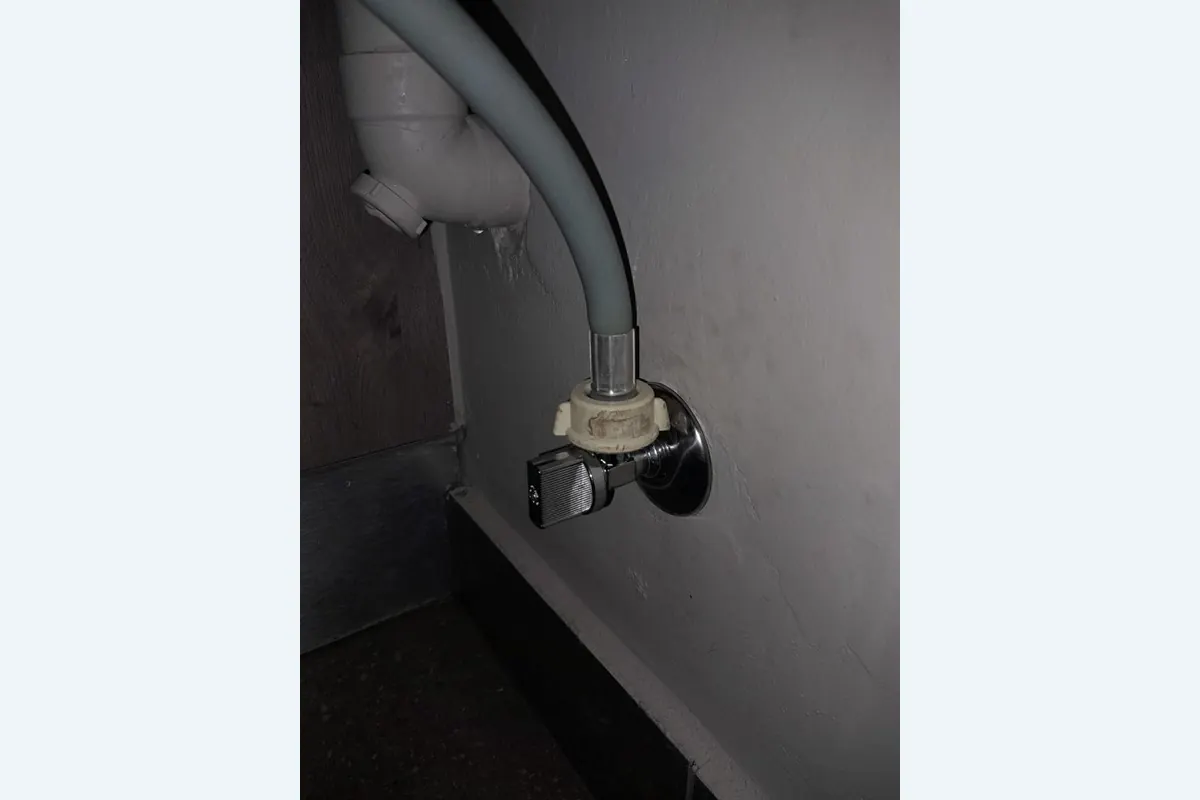
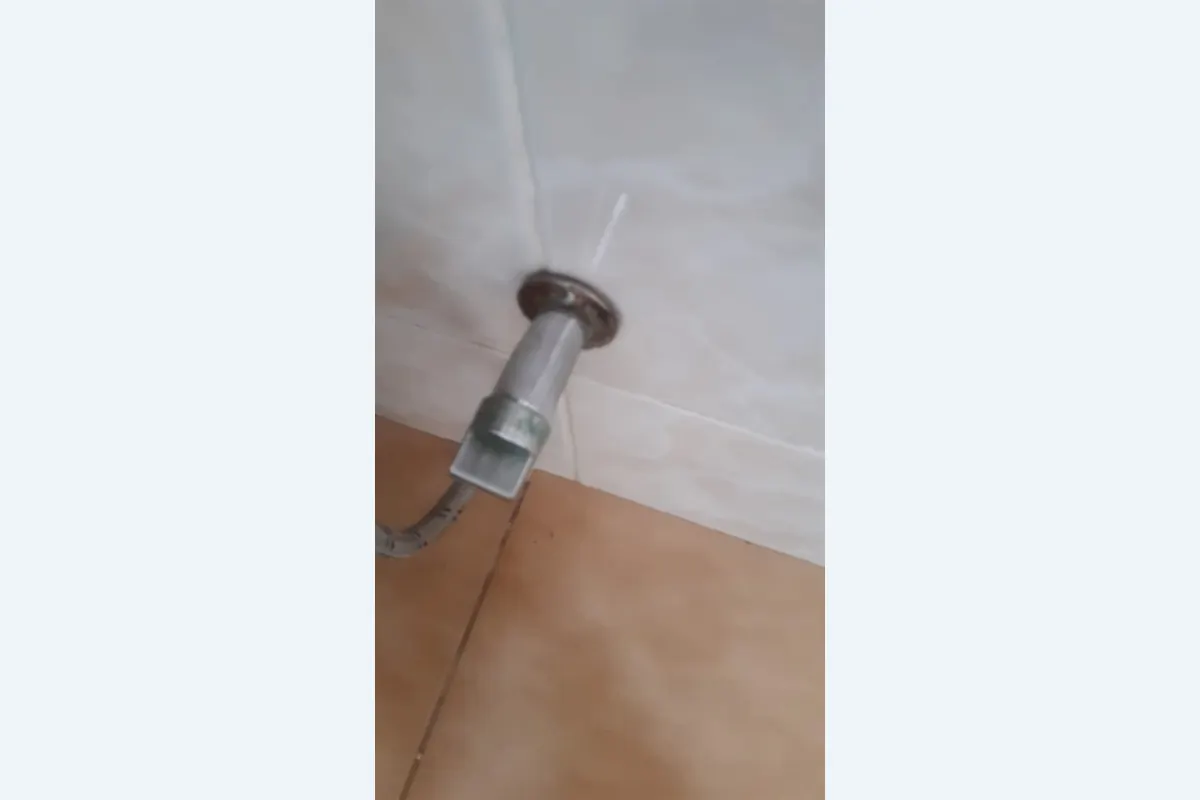
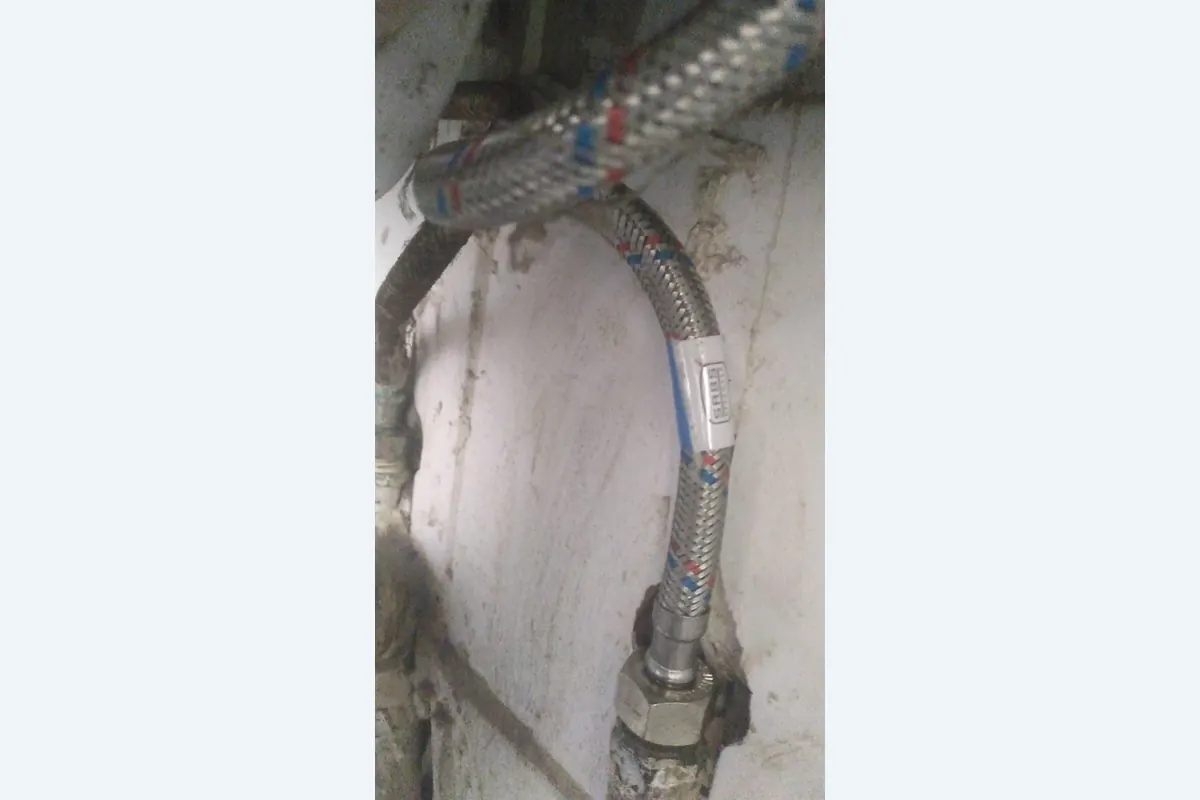
- Take one wide photo and one close-up photo.
- Tell the team if access is locked, shared or controlled by a body corporate.
How we separate emergency routes
Emergency plumbing is not one single type of job. It can be burst pipe repair, hidden leak detection, blocked drain cleaning, geyser valve work, toilet clearing, pressure control, temporary isolation or planned follow-up after damage control. The first route is chosen from symptoms. Clean water escaping under pressure usually points to supply-side isolation and repair. Sewage or grey water backing up points toward drainage clearing and possible inspection. A geyser overflow or tray leak points toward hot-water safety checks and compliant components. A meter that moves when everything is closed points toward a hidden supply leak.
This matters because the wrong first move wastes time and can cause extra damage. Digging before meter testing can open the wrong area. Clearing a toilet without checking the outside gully can miss a deeper sewer problem. Replacing a visible valve without checking pressure can leave the same symptom returning. A better emergency page teaches the visitor how the plumber thinks: symptom, safety, isolation, access, diagnosis, repair and test.
- Burst pipe: isolate, expose, repair and pressure-test.
- Drain backup: stop fixture use, access inspection point, clear and flush.
- Geyser fault: isolate safely, inspect valve or tray route, test.
- Hidden leak: meter behaviour and detection before breaking.
When a fault should not wait
Some plumbing problems can be scheduled, but some should be treated as urgent because delay increases damage or health risk. Water entering a ceiling can damage boards, insulation, lights, cupboards and paint long before the visible stain looks serious. Waste water backing up inside the home is a hygiene issue and should not be treated as an ordinary inconvenience. A geyser tray that keeps filling means the tray and overflow route are protecting the ceiling only for as long as they can cope. A single toilet blockage becomes urgent when it is the only toilet, when water rises close to overflow, or when the outside drain also backs up.
The most helpful customer decision is to ask: is damage spreading, is the water clean or waste, can the supply be isolated, are other fixtures affected, and is there a safe temporary position until help arrives? If the answer points to active damage, the visitor should call rather than continue reading. If the water is isolated and stable, photos and details can help plan the repair more calmly.
- Growing ceiling stain or dripping light area.
- Sewage overflow or multiple blocked fixtures.
- Geyser tray or overflow running continuously.
- No working toilet in the property.
Need help choosing the safest next step?
Send the suburb, photos, visible symptoms, access notes and whether the water or waste is still active. We can then help you decide whether the right route is urgent attendance, leak detection, drain clearing, geyser repair, a planned quote or the correct part matched to the system.
Call Emergency Line Email Photos For Help